
How Public Transportation Can Save You Money

How Public Transportation Can Save You Money


July 26, 2023 | Sammy Tran

How Public Transportation Can Save You Money


How Public Transportation Can Save You Money

Cash and man on city bus

Advertisement

While private cars often symbolize freedom and flexibility, the reality is that they come with high costs—from insurance and fuel to maintenance and parking. 

This article will explore how turning to public transportation can help you save money and might even enrich your life in other surprising ways.

1. Lower Commute Costs
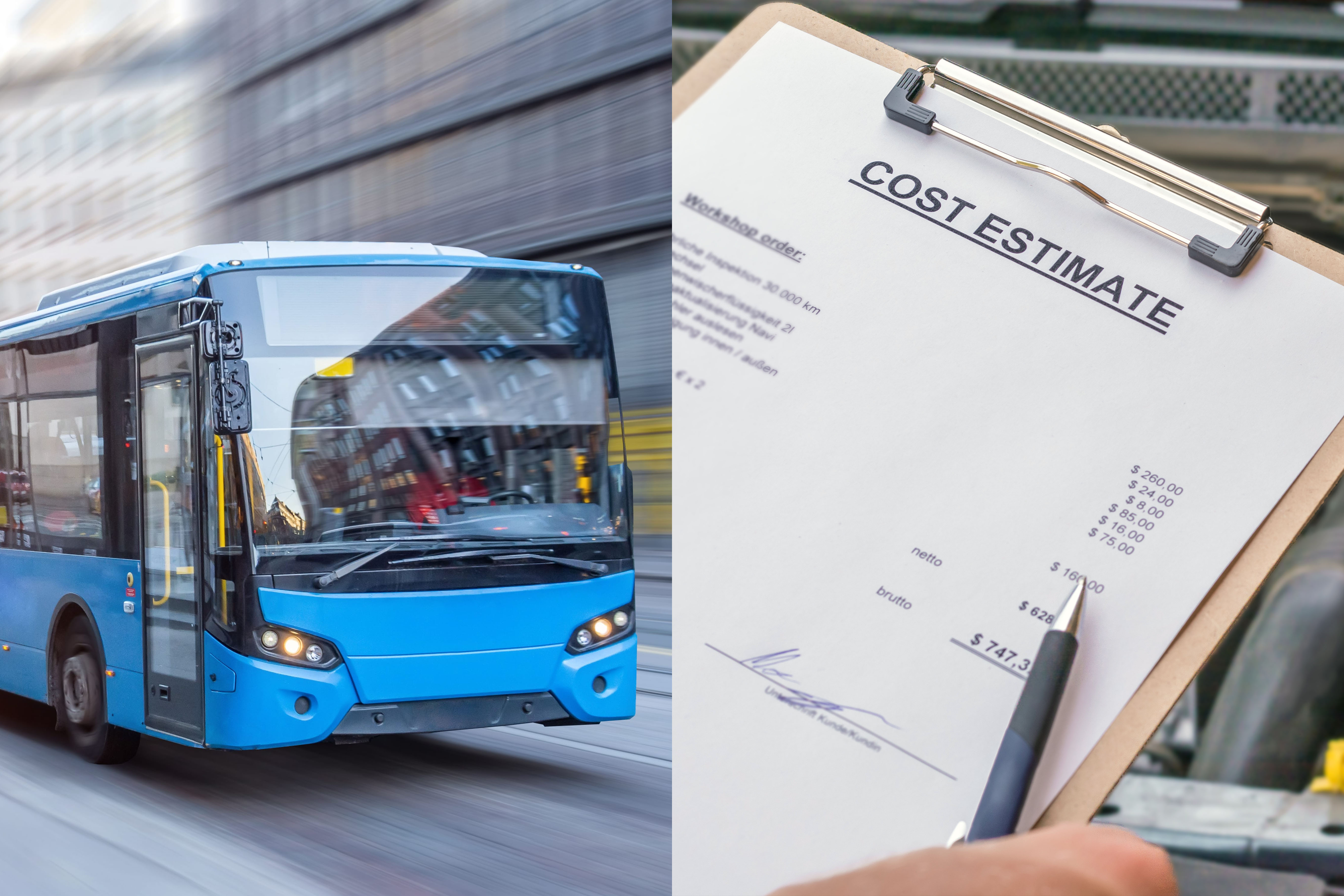
Bus and Maintenance QuoteAdobe Stock

Advertisement

Choosing public transportation significantly reduces your commute costs. 

As per the American Public Transportation Association (APTA), an average household can save around $10,000 annually by taking public transit and having one less car. 

Bus or train tickets are typically less expensive than the cumulative costs of fuel, vehicle maintenance, parking, and car insurance.

2. Reduced Parking Expenses
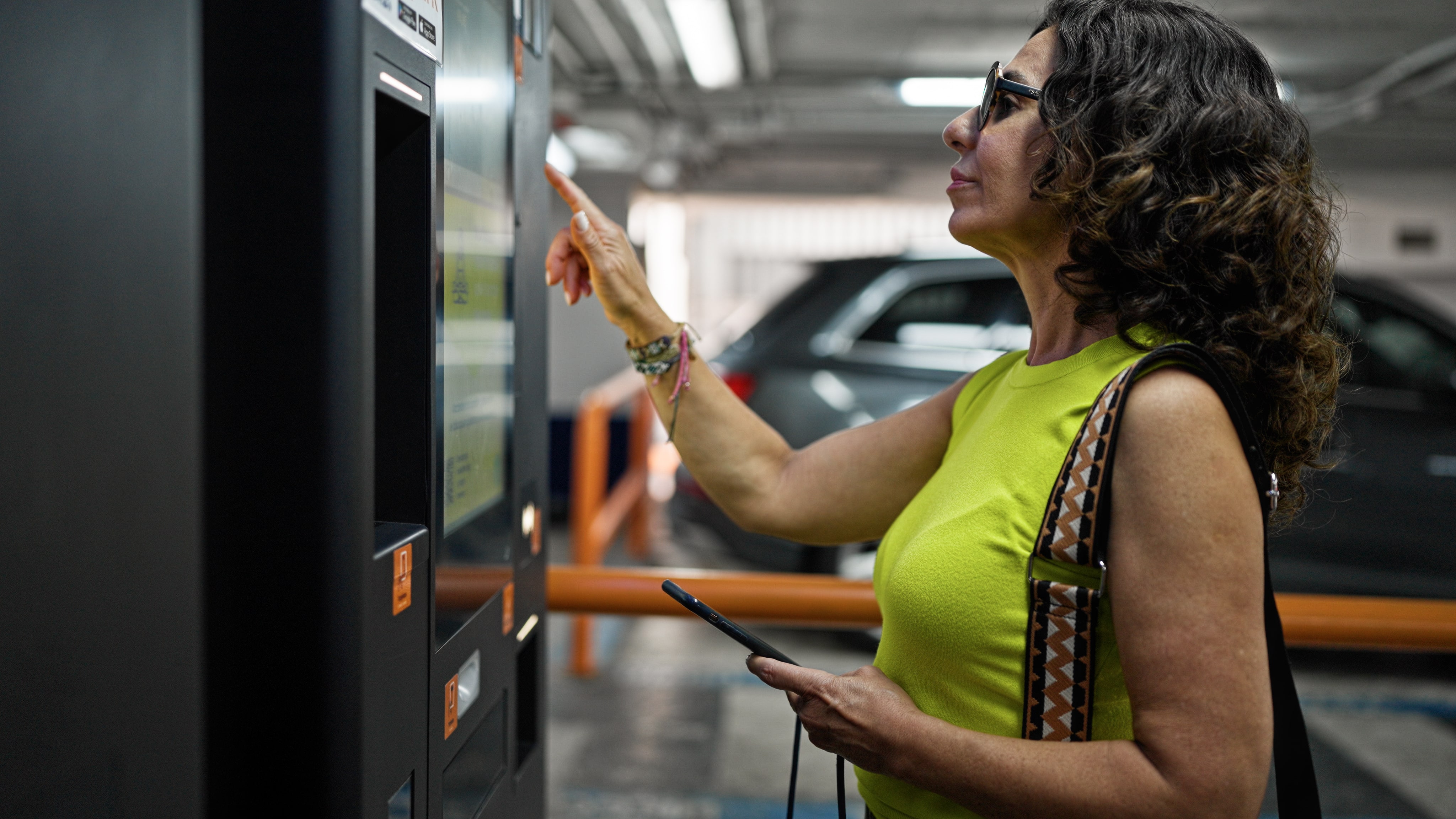
Parking FeesAdobe

Advertisement

In major cities, parking can be exorbitantly expensive, and it's not always guaranteed you'll find a spot near your destination. 

Public transportation eliminates the need for parking altogether, saving you both money and time.

3. Lower Maintenance And Depreciation Costs
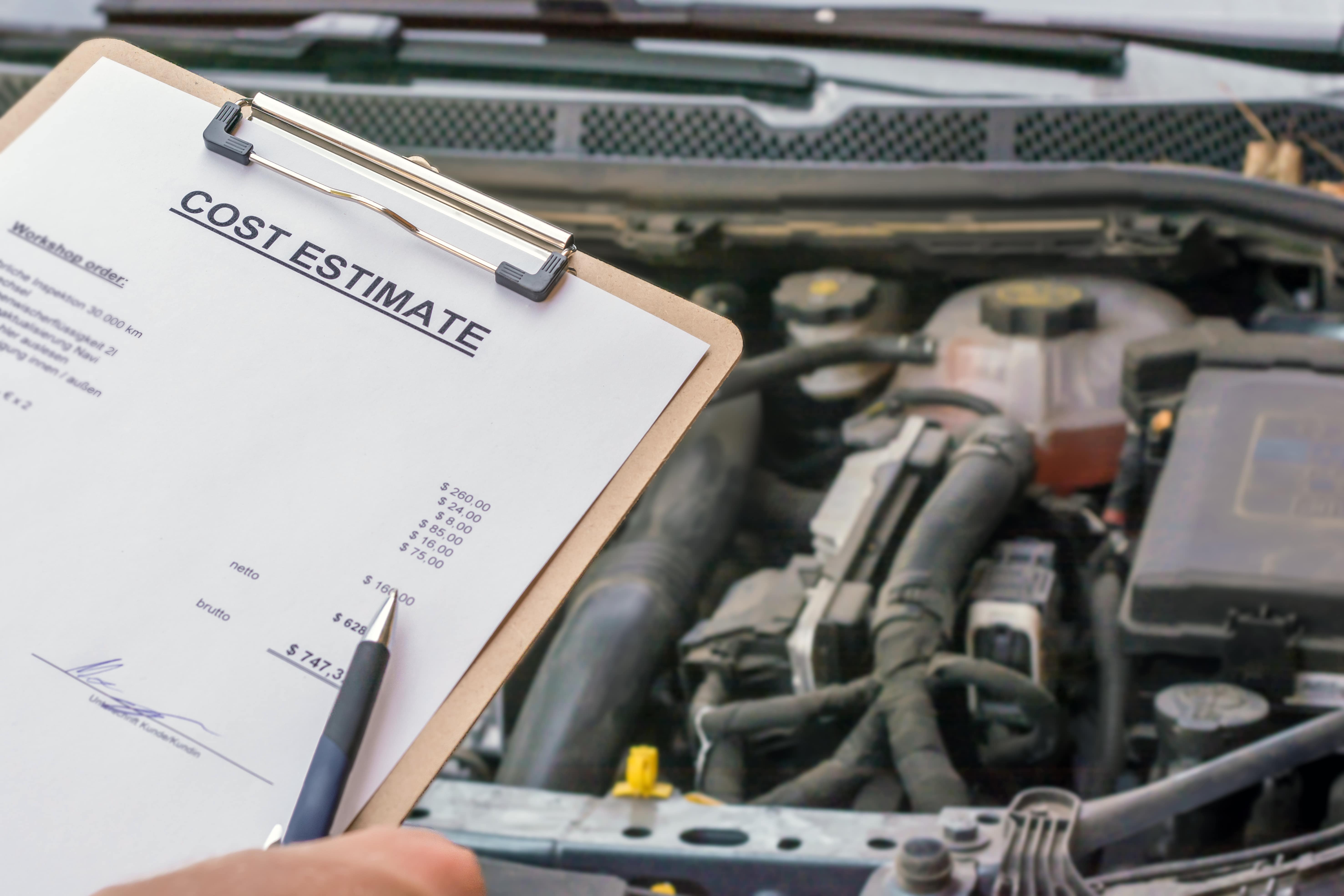
Maintenance CostsAdobe

Advertisement

Cars depreciate over time and incur maintenance costs like oil changes, brake repairs, and tire replacements. Public transportation users don't need to worry about these expenses.

4. Health Benefits And Increased Physical Activity

Public TransportationAdobe

Advertisement

Public transportation typically involves some walking or cycling to and from stations, inadvertently adding a light form of exercise to your daily routine. 

This can potentially save you money on gym memberships or other fitness expenses.

5. Valuable Time

Public TransportaionAdobe

Advertisement

Public transportation allows you to utilize your commute time effectively. 

Instead of focusing on driving, you can read, work, or relax, thereby increasing your productivity or personal downtime.

6. Positive Environmental Impact

PollutionAdobe

Advertisement

Public transportation is generally more energy-efficient per passenger than private vehicles, leading to less pollution. 

By using public transit, you're also playing your part in combating climate change, which has long-term cost benefits for society as a whole.

While public transportation may not offer the same level of convenience as private vehicles, the cost-saving advantages are substantial. 

Not only can it save you money, but it can also provide unexpected benefits such as increased physical activity and more personal time. 

The next time you need to go somewhere, consider your public transportation options—your wallet (and maybe your health) will thank you.


READ MORE

Blond woman welcoming people at entrance front door

How To Actually Make Money From Your First Airbnb

Listing a property on Airbnb sounds like an easy path to extra income, but anyone who’s actually tried it knows it’s a little more complicated than uploading photos and waiting for bookings.If you’re planning to launch your first Airbnb—or you already have one—these tips can help you turn it into a genuinely profitable side hustle.
March 15, 2026 J. Clarke

I signed a new contract guaranteeing I'd work from home 3 out of 5 days a week. The new boss insists I come into the office all week. What can I do?

Your contract guarantees remote work, but your boss wants you back in the office full-time. Learn what your rights are, how to approach the conversation professionally, and what steps to take if your employer ignores the agreement.
March 13, 2026 Jack Hawkins
Man 20s financial goals

I’m 25 and willing to sacrifice almost anything to retire by 45. Tell me what to do.

At 25, wanting to retire by 45 sounds ambitious—but it’s a goal more people are quietly chasing than you might think. The idea falls under something called FIRE (Financial Independence, Retire Early). But reaching that goal in just 20 years requires more than saving a little extra money—it means deliberately designing your life around that outcome.
March 12, 2026 Jesse Singer
a-man-writing-on-the-paper

Artificial Scarcity Might Just Be The Key To Saving Your Finances In 2026

Money is easier to spend than ever. Tap your phone, click a button, subscribe to something new—it all happens in seconds. The problem is that convenience can quietly drain your bank account before you even realize what happened. That’s why a growing number of people are experimenting with something called artificial scarcity. Instead of waiting until their money naturally runs out, they intentionally create limits on how much they can access or spend. It might sound restrictive, but in 2026, it could actually be one of the smartest ways to stay financially sane.
March 12, 2026 J. Clarke
Young hispanic man with serious expression standing at the city

Why GenZ Can’t Live According To The 30% Housing Rule

For decades, the classic rule of thumb for housing has been simple: spend no more than 30% of your income on rent or a mortgage. But for many Gen Z renters, the rule feels almost laughable. In cities across North America, rent has climbed far faster than wages, and entry-level salaries often collide with record-high housing prices, student loan payments, and rising living costs. The result is that millions of young adults are spending far more than 30% of their income just to keep a roof over their heads.
March 11, 2026 J. Clarke
Older Japanese Worker

Americans Should Know That In Japan Older Workers Are Paid To Sit By The Window And Do Nothing. Would That Ever Work In The United States?

While companies in the United States and Europe push workers for ever higher productivity and demand stricter office schedules, corporate Japan has spent decades doing something very different—paying older employees to show up, sit by the window, and…do pretty much nothing.
March 13, 2026 Jesse Singer


Disclaimer

The information on MoneyMade.com is intended to support financial literacy and should not be considered tax or legal advice. It is not meant to serve as a forecast, research report, or investment recommendation, nor should it be taken as an offer or solicitation to buy or sell any securities or adopt any particular investment strategy. All financial, tax, and legal decisions should be made with the help of a qualified professional. We do not guarantee the accuracy, timeliness, or outcomes associated with the use of this content.


Dear reader,


It’s true what they say: money makes the world go round. In order to succeed in this life, you need to have a good grasp of key financial concepts. That’s where Moneymade comes in. Our mission is to provide you with the best financial advice and information to help you navigate this ever-changing world. Sometimes, generating wealth just requires common sense. Don’t max out your credit card if you can’t afford the interest payments. Don’t overspend on Christmas shopping. When ordering gifts on Amazon, make sure you factor in taxes and shipping costs. If you need a new car, consider a model that’s easy to repair instead of an expensive BMW or Mercedes. Sometimes you dream vacation to Hawaii or the Bahamas just isn’t in the budget, but there may be more affordable all-inclusive hotels if you know where to look.


Looking for a new home? Make sure you get a mortgage rate that works for you. That means understanding the difference between fixed and variable interest rates. Whether you’re looking to learn how to make money, save money, or invest your money, our well-researched and insightful content will set you on the path to financial success. Passionate about mortgage rates, real estate, investing, saving, or anything money-related? Looking to learn how to generate wealth? Improve your life today with Moneymade. If you have any feedback for the MoneyMade team, please reach out to [email protected]. Thanks for your help!


Warmest regards,

The Moneymade team