
More For Less
Living big doesn’t always mean spending big. These practical tips will help you keep more cash in your pocket. We’ll show you how to do more with less.

Follow The Envelope System
The envelope system works by dividing your budget into categories like groceries, bills, and entertainment, allocating cash to each. Once an envelope is empty, stop spending in that category. This old-school budgeting trick was introduced by financial expert Dave Ramsey.

Follow The Envelope System (Cont.)
This method actively prevents overspending. If your grocery envelope is empty mid-month, you’ll need to get creative with what’s already in your pantry. It creates clear limits and reinforces the habit of living within your means.

Lower Your Everyday Spending
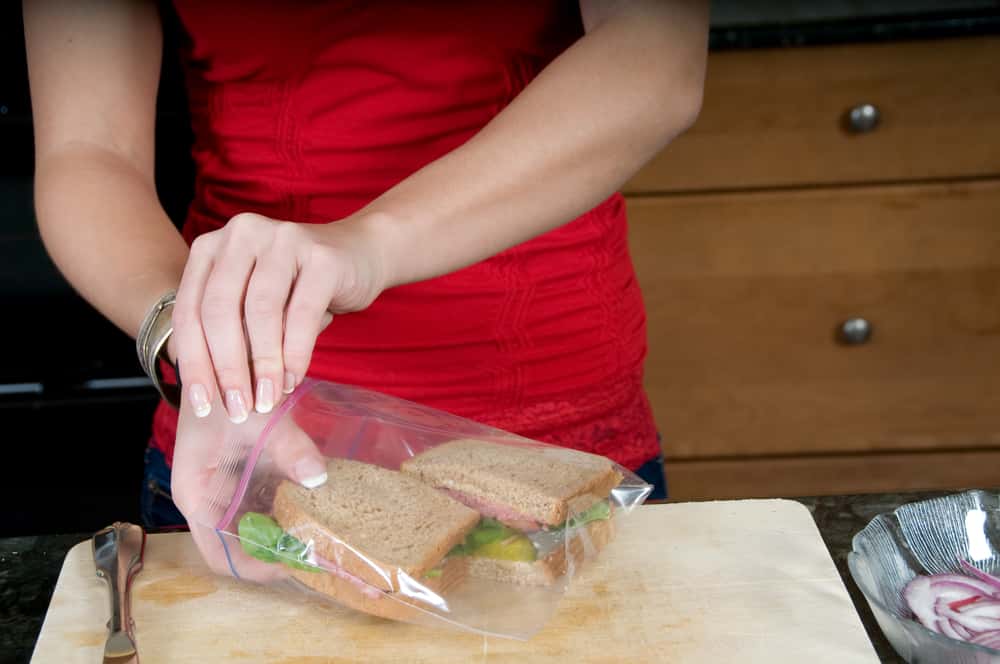
Daily expenses can add up fast. So, small adjustments like brewing coffee at home or packing your lunch instead of eating out can save big money. Statistics show that the average household can save over $3,000 annually with these shifts.
Skip Expensive Outings
Fancy dinners and pricey events cost an arm and leg. But if you do some research, you might just find that free or low-cost activities like picnics, hikes, community events, game nights, etc., are just as fun. Many cities even host free concerts or art exhibits.

Selling Stuff You Don’t Need
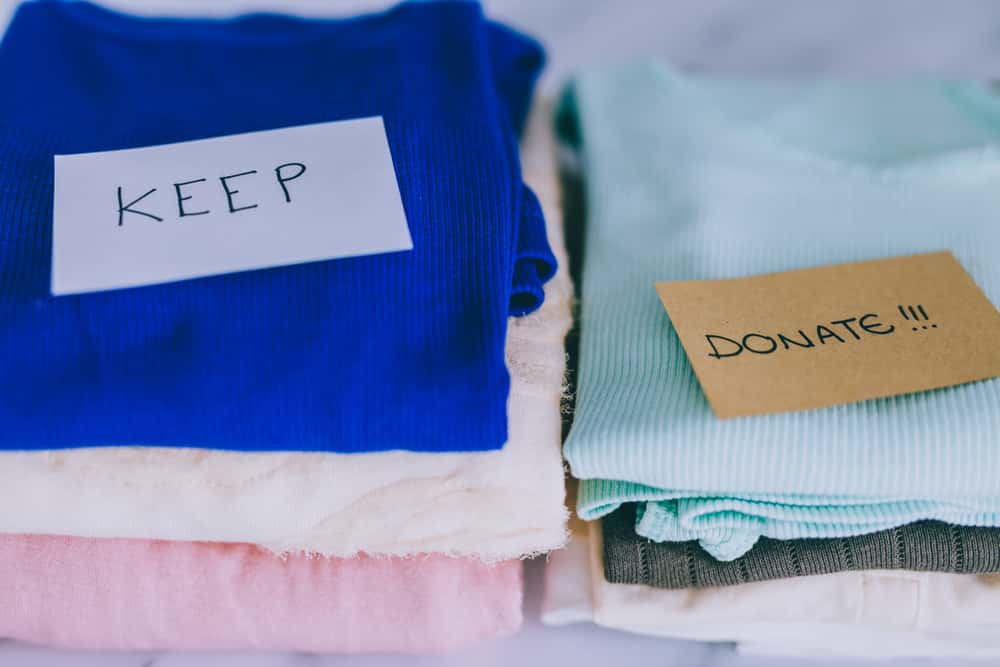
Decluttering isn’t just therapeutic—it’s profitable! Sell unused items on eBay, Craigslist, or Facebook Marketplace. Electronics, old clothes, books, tables, there’s likely someone willing to pay for what’s collecting dust in your home. And use that extra cash to boost your savings.
Divide The Money For 4 Weeks
Stretch your paycheck by breaking it into weekly allotments. Divide your income (after subtracting the “needs”) into four equal portions, and only use one per week. This method helps avoid mid-month splurges and ensures funds last until the next payday. It’s a simple way to pace spending.

Meal Planning
Meal planning saves everything—your time, money, and waste. Create weekly menus based on sales and seasonal produce. Besides, bulk-cook dishes like soups or casseroles and freeze portions for busy days. The USDA says such meal planning can cut grocery bills by up to 25%. Plus, homemade meals are healthier.

Shop At Thrift Stores
On a good day, thrift stores are goldmines. You’ll get everything from affordable clothing to furniture over there. With patience, you can find high-quality, name-brand items at a fraction of their retail price. So, always be on the lookout for yard sales, flea markets, and even trade groups in your area.

Avoid Online Shopping
A 2023 survey revealed that 40% of online purchases are unplanned. Even if it's convenient, it’s a budget killer. Hence, unsubscribe from promotional emails and delete saved payment details to curb impulse buys. Also, think twice before clicking “add to cart".

Wait A Week Before Buying Something
If you must buy something, commit to a one-week waiting rule for non-essential items. This pause lets you evaluate if it’s a need or just a fleeting want. Because those impulse purchases often lead to regret. And if you do decide to buy it, the delayed gratification feels great.

Have A No Spending Day
Designate one day a week as a no-spend day. Use this time to enjoy free activities, cook with pantry staples, or simply relax. These small, intentional breaks can save money and reshape your habits. Imagine saving $10 each no-spend day—that’s over $500 annually. If you want a bigger challenge, make it a no-spend weekend.

Walk Or Use Public Transport
Ditch the car and walk or take public transportation when possible. Walking is free and great for your health, while buses and trains cut down on gas and parking costs. An average household can save over $9,000 annually by forgoing a car. That brings us to…

Give Up Your Car, If You Don’t Need It
Owning a car is costly, with insurance, gas, and maintenance piling up. If public transit or carpooling works for your lifestyle, consider selling your vehicle. Think about it: if you just trade your car for a bike or bus pass, you could drastically cut expenses. Why waste that much money?
 ESB Professional, Shutterstock
Reduce Ownership Costs
However, for those who can’t part with their cars, reducing ownership costs is key. Start by carpooling to work or school to split fuel expenses. Also, remember to do maintenance checks of your car regularly to prevent costly repairs. Switching to a pay-per-mile insurance plan can also save occasional drivers hundreds annually.
 Skrypnykov Dmytro, Shutterstock
Manage Your Subscriptions
Subscriptions can drain your wallet fast. Cancel unused ones, switch to family plans, or share accounts with friends. To save even more, get one subscription, binge your favorites in a month, and then hop to another service. Simple and effective.

Find Out Cashback Opportunities
Cashback apps reward you for everyday spending; platforms like Rakuten or Honey give a percentage back on online purchases—use them. Over time, these rewards add up. Also, use loyalty points wherever you can. Even Walmart has some of these opportunities available on their app.

Bulk Buying
Buying in bulk saves money on non-perishable goods like rice, beans, pasta, condiments, and toiletries. Costco is the ultimate place to do this. If you want to reduce per-unit costs by up to 50%, bulk buy. However, you have to make sure that you store items properly to prevent waste.

Negotiate All Bills
Another thing to try is calling your service providers to negotiate better rates on the internet or insurance. Many companies offer loyalty discounts or match competitors’ prices if asked. Don’t be shy; a quick phone call could lower your bills by hundreds annually.

The Coin Jar Habit
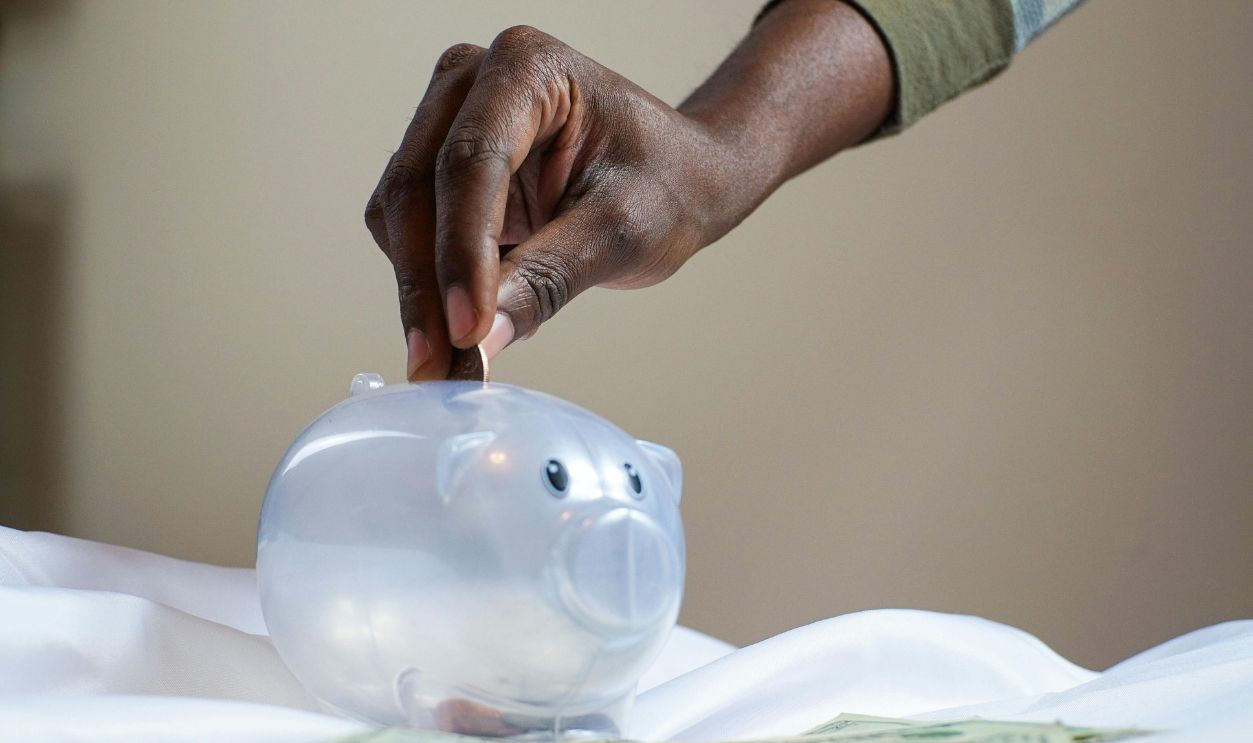
Save loose change in a jar at the end of every day. Once full, deposit it into a savings account or use it to pay for something meaningful. This simple habit might add up to hundreds of dollars a year with little to no effort.
Always Compare Prices
You know what they say: never buy the first thing you see at a store. Similarly, never settle for the first price tag. This goes for groceries, electronics, flights, dresses, everything. Compare costs across stores or websites using tools like Google Shopping.

Buy Generic
Generic products usually match the quality of name brands. Be it medicines or groceries, opting for store brands can slash costs by 30% or more. Why spend more just to have that brand’s logo on your stuff? It makes no sense.

Use Coupons And Discounts
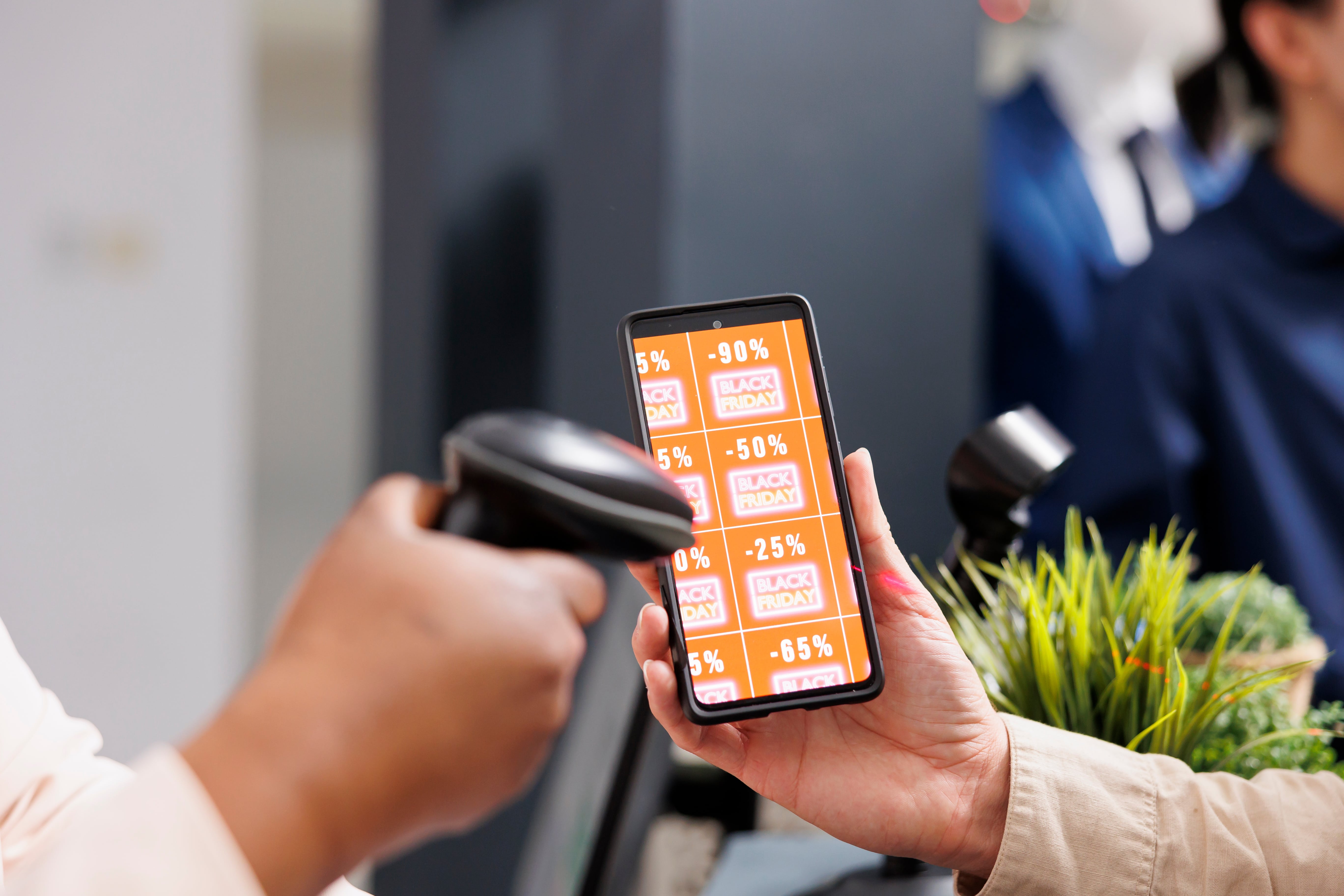
There is no shame in using coupons or discount cards if it saves you money. Pride does not fill your stomach. So, clip coupons and sign up for loyalty programs to save on purchases. Every month, you might just get to put aside $125 (as per a Coupon Cabin report).
Diy Your Gifts
Crafting gifts adds such a personal touch to gifts. You could create homemade candles, photo albums, jewelry, or baked goods for special occasions. These heartfelt gestures often mean more than store-bought items. And saves you money.

Avoid Payday Loans
Initially, payday loans will seem like a quick fix but know that they come with sky-high interest rates. Instead, explore alternatives like borrowing from friends, using emergency savings, or asking your employer for an advance. Avoid falling into a cycle of debt.
 Tony Webster, CC BY 2.0, Wikimedia Commons