Confronting the Family
I stood up, the papers still scattered around me, and made a decision. 'I'm telling them,' I said. 'The family needs to know.' Mom's face went pale. 'Claire, are you sure? They won't—' 'They've spent their whole lives thinking she was this perfect matriarch,' I interrupted. 'They need to know the truth.' Dad appeared in the doorway then, must have heard us talking. 'Think about what you're doing,' he said carefully. 'Once you tell them, you can't take it back.' I knew he was right. I knew this would blow up the family, that some of them would refuse to believe me, that Dorothy's carefully constructed image would shatter. But I also knew I couldn't keep carrying this alone. They'd all watched her treat me like dirt for thirty-two years. They'd witnessed every slight, every cold moment, every exclusion. Maybe some had even wondered why. They'd spent their whole lives worshipping a woman who destroyed her own daughter—and they deserved to know what she really was.
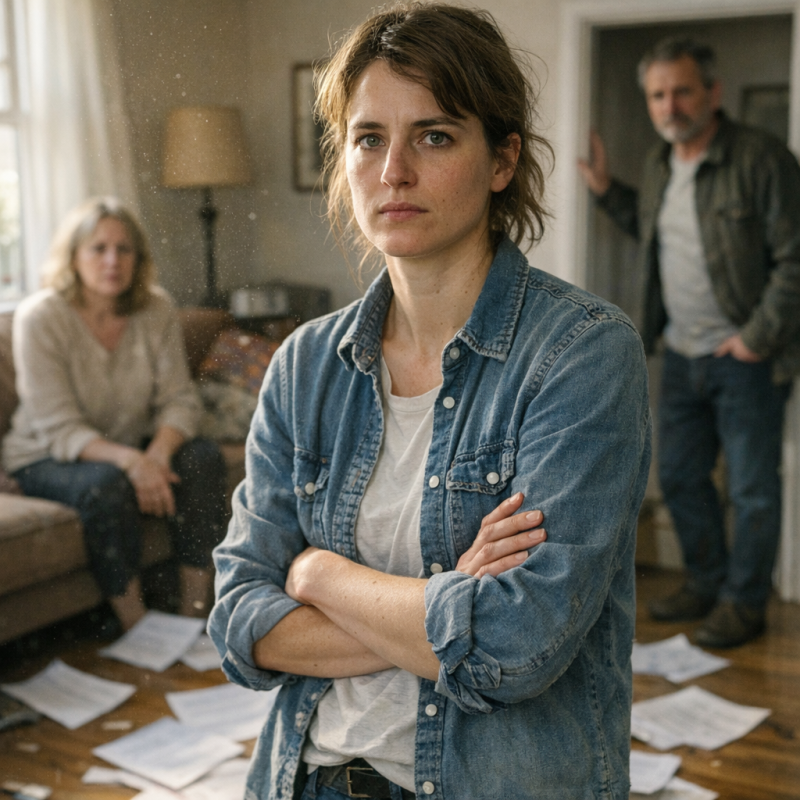 Image by FCT AI
The Family Meeting
We gathered them all in Dorothy's house two days later—Emma, Jake, Michael, Sarah, Uncle Raymond, Aunt Patricia. They sat in her living room looking confused about why we'd called this meeting. I stood at the front with a folder full of documents, my hands shaking. 'I found something in Dorothy's closet,' I started. 'Something that explains everything.' I could see Emma rolling her eyes, probably thinking I was being dramatic again. So I pulled out the death certificate first, laid it on the coffee table. 'Anne didn't move to California,' I said. 'She died. Giving birth. To me.' The room went completely silent. Then I added the birth certificate, let them see the names, the dates, the truth written in official ink. 'Dorothy wasn't my grandmother,' I continued, my voice steadier now. 'She was my grandmother who forced her daughter into decisions that killed her, then spent thirty-two years punishing me for being born.' I laid the birth certificate on the table and watched my cousins' faces change as they started to understand.
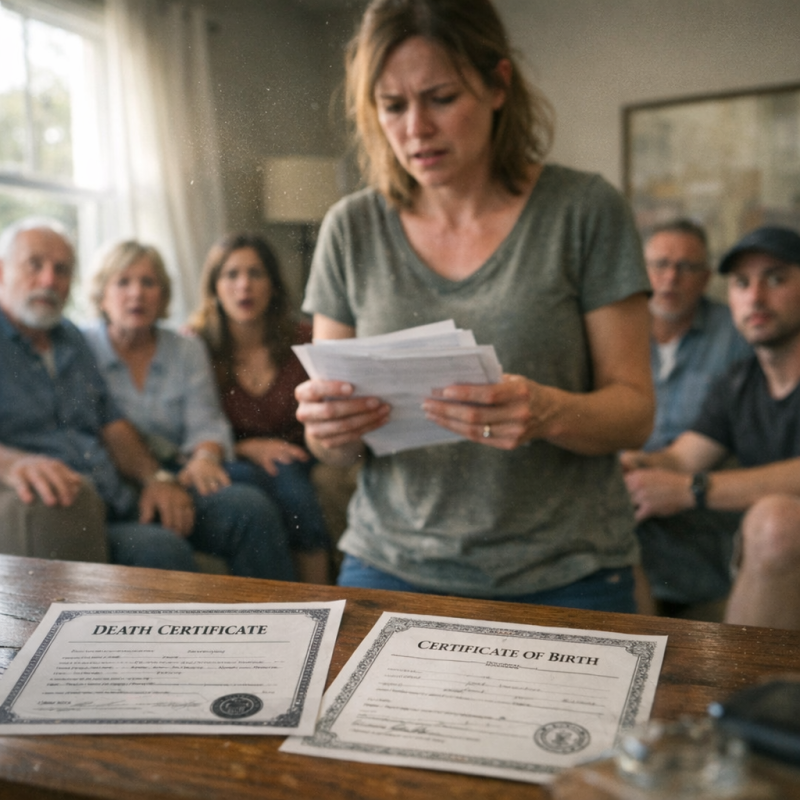 Image by FCT AI
The Family's Denial
Emma stood up first, her face flushed. 'No,' she said. 'Dorothy wouldn't—she couldn't have—' Uncle Raymond was shaking his head too, looking at the documents but not really seeing them. 'There has to be another explanation,' he insisted. 'Mom was strict, but she wasn't cruel.' 'She let a child die,' I said flatly. Aunt Patricia's voice cut through: 'We don't know that. We don't know what really happened.' They were circling the wagons, protecting Dorothy's memory, unable or unwilling to reconcile the grandmother they'd known with the woman who'd done these things. I watched them rationalize, make excuses, search for alternative explanations that would let them keep their perfect image of her intact. Emma picked up the birth certificate, stared at it, put it down. 'You're lying,' she said, but her voice wavered—because she knew Dorothy was capable of exactly this.
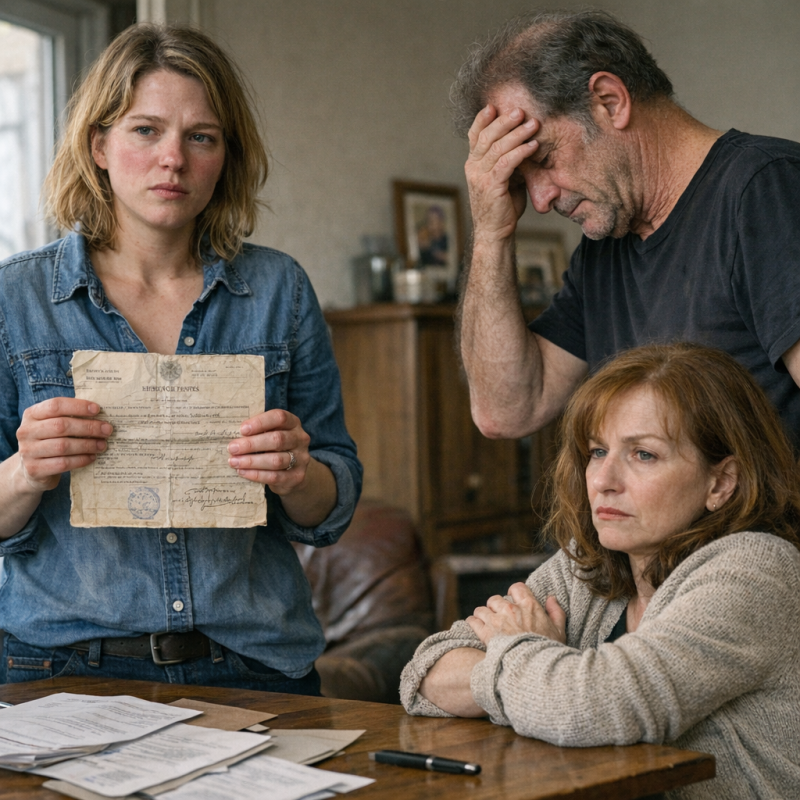 Image by FCT AI
Linda's Testimony
That's when Mom stood up, her whole body tense. 'I was there,' she said, and the room went quiet. 'I watched Dorothy bully Anne into keeping the pregnancy secret. I watched her refuse to get Anne proper medical care because she was worried about the family's reputation. And when Anne passed away, Dorothy threatened me.' Her voice broke slightly. 'She said if I didn't take Claire and raise her as my own, if I didn't keep the secret, she'd destroy my marriage and make sure I never saw my own children again.' Michael's face had gone white. Uncle Raymond looked like he might be sick. 'She made me lie for thirty-two years,' Mom continued. 'She made me watch her punish an innocent child—my niece, my sister's daughter—and I couldn't stop it because I was terrified of what she'd do.' She looked around the room at all of them. 'She threatened to destroy me if I didn't do exactly what she said,' Linda told them, and the room went silent.
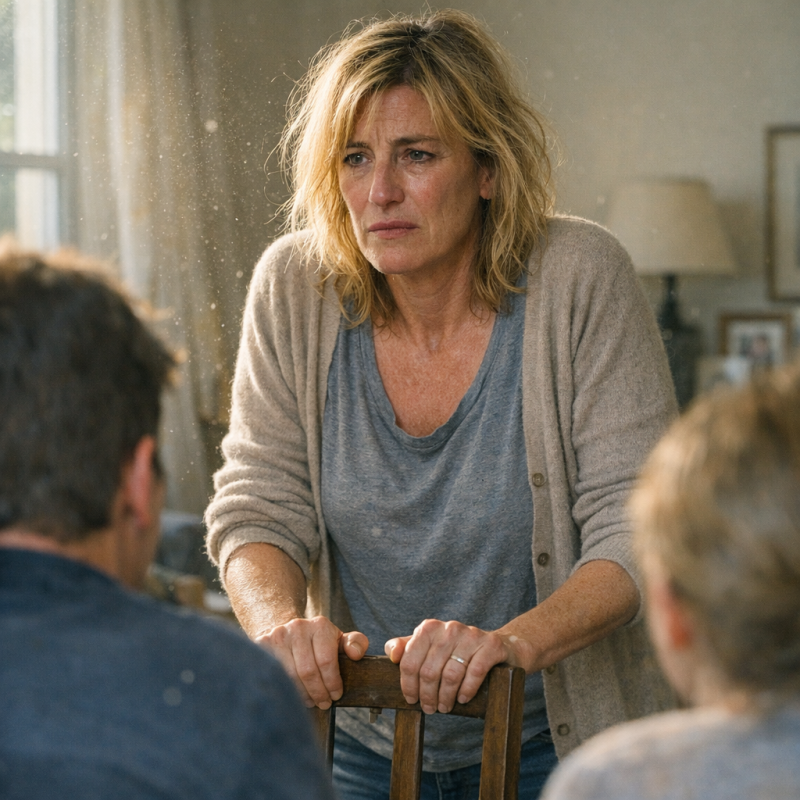 Image by FCT AI
The Family Fractures
That's when everything fell apart. Aunt Patricia grabbed her purse and headed for the door, Uncle Raymond right behind her. 'I'm not listening to this,' Patricia said. 'I won't let you destroy her memory.' But Jake stayed seated, staring at the documents. So did Michael and Sarah. Emma was crying now, still holding the birth certificate. 'Tell us everything,' Michael said quietly. So Mom and I did. We told them about the pregnancy, the secrecy, the hospital, Anne's death. We told them about Dorothy's threats, her control, her systematic punishment of a child. Some family members couldn't handle it—I watched two more cousins walk out halfway through. But others stayed, demanded every detail, needed to understand how the woman they'd loved could have done something so monstrous. The family was splitting right down the middle: those who could accept the truth and those who needed to preserve their memories. Some left immediately, unwilling to hear more; others stayed, demanding every detail—and I watched my family break apart over Dorothy's grave.
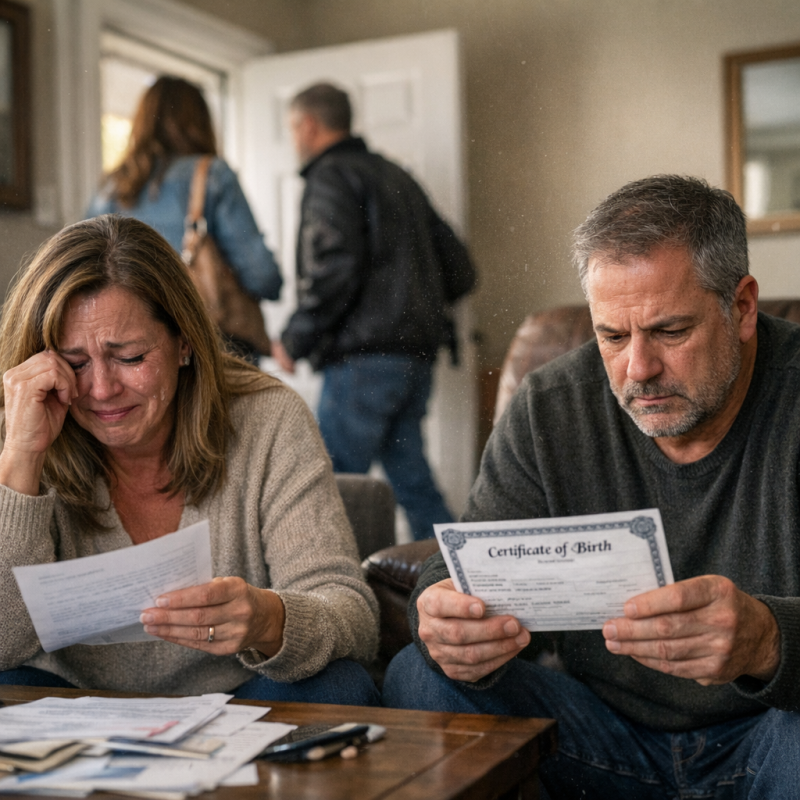 Image by FCT AI
Emma's Apology
Emma found me in the kitchen an hour later, after most people had left. Her eyes were red from crying. 'I need to say something,' she whispered. I braced myself for another defense of Dorothy, but instead she said: 'I'm sorry.' Her voice cracked. 'I saw how she treated you, Claire. At every holiday, every family gathering. I saw her ignore you, forget you, turn cold when you walked in.' She wiped her eyes. 'I told myself she was just old, or distracted, or that maybe you were imagining it. But I saw it. We all saw it.' Mom had come into the kitchen too, standing quietly by the doorway. Emma looked at both of us. 'I should have said something. I should have stood up for you. Instead I just... I let it happen because it was easier not to question her.' She was crying hard now. 'I saw how she treated you,' Emma whispered. 'I just didn't want to believe she'd do it on purpose.'
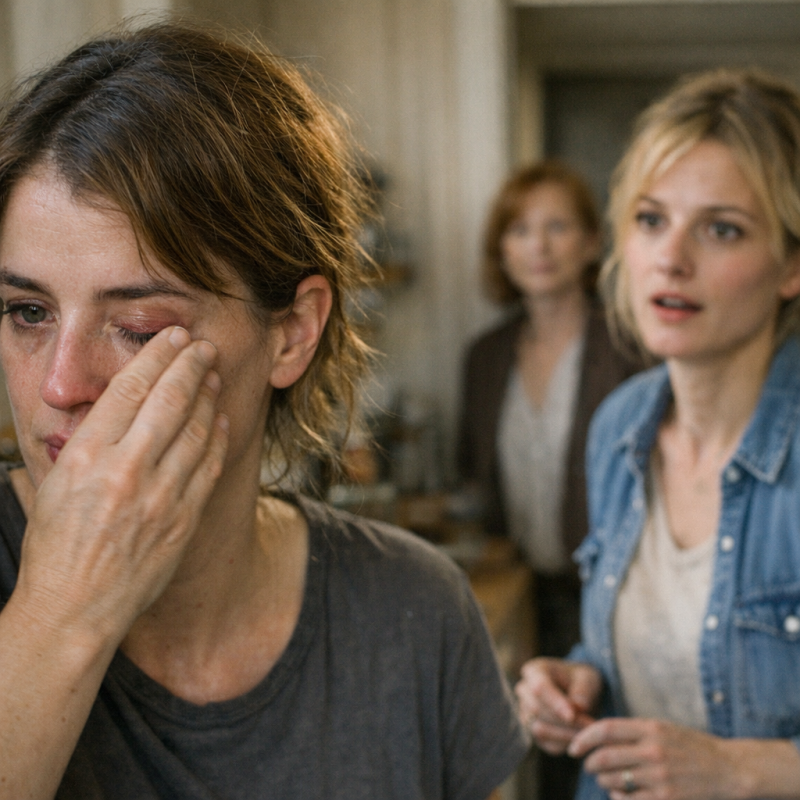 Image by FCT AI
The Final Piece
Mom sat down at the kitchen table, looking exhausted but lighter somehow, like she'd finally set down something heavy. I'd thought we were done. I'd thought I knew everything. But she reached across and took my hand. 'There's one more thing,' she said quietly. 'Something Anne told me before she left.' My chest tightened. I wasn't sure I could handle one more thing. 'She begged Dorothy to let her keep you,' Mom said, her voice breaking. 'She wanted you, Claire. She fought for you. Anne was willing to raise you alone, willing to face the shame and the gossip and everything that came with it.' Tears were streaming down Mom's face now. 'But Dorothy said no. She said it would ruin Anne's life, ruin the family reputation. She pressured her, wore her down, made the decision for her.' I felt like the floor had dropped out from under me. 'Anne wanted you,' Mom whispered. 'Dorothy decided you shouldn't exist. And when you did anyway—when I kept you—she made sure you paid for it.' Anne wanted me. It was Dorothy who decided I shouldn't exist, and when I did anyway, she made sure I paid for it.
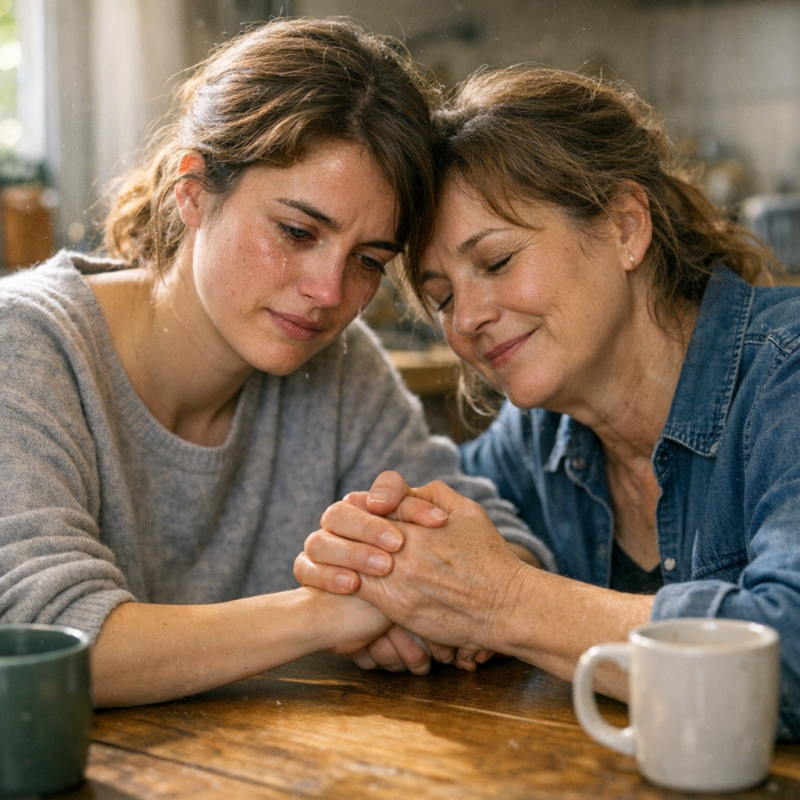 Image by FCT AI
Processing the Truth
The days after that conversation are kind of a blur, honestly. I'd wake up in the morning and for just a second, I'd forget. Then it would all come rushing back—the letters, the photos, the truth about why my own grandmother had hated me my entire life. Mom checked on me constantly. Dad came by with takeout and sat with me in silence, which somehow helped more than talking. I kept thinking about Anne, barely older than I am now, begging to keep her baby. I kept thinking about Dorothy, cold and calculated, deciding my mother wasn't allowed to want me. And then punishing me for existing anyway. It was liberating in a way—knowing it had never been about me, that I could have been perfect and it wouldn't have mattered. But God, it was devastating too. Because what kind of person does that? What kind of grandmother looks at an innocent child and decides to make her pay for someone else's choices? I finally had my answer, and it was worse than anything I'd imagined—but at least I knew it wasn't about me.
 Image by FCT AI
Reclaiming Her Story
Sarah came over about a week later with takeout and wine. Michael showed up twenty minutes after her with ice cream, like they'd coordinated without telling me. We sat on my living room floor like we used to as kids. 'So what now?' Michael asked gently. I'd been asking myself the same question. For thirty-two years, I'd carried Dorothy's rejection like it meant something about who I was. Like I was fundamentally unlovable, fundamentally wrong. But it was never about me. It was about Dorothy's guilt, her shame, her inability to face what she'd done. 'I think,' I said slowly, 'I need to figure out who I am when I'm not trying to earn love from someone who decided before I was born that I didn't deserve it.' Sarah squeezed my hand. Michael nodded. It wasn't going to be easy. You don't just shake off a lifetime of feeling like you're not enough. But for the first time, I felt like I had permission to try. I couldn't change what happened, but I could decide what it meant—and I refused to let Dorothy's guilt define me anymore.
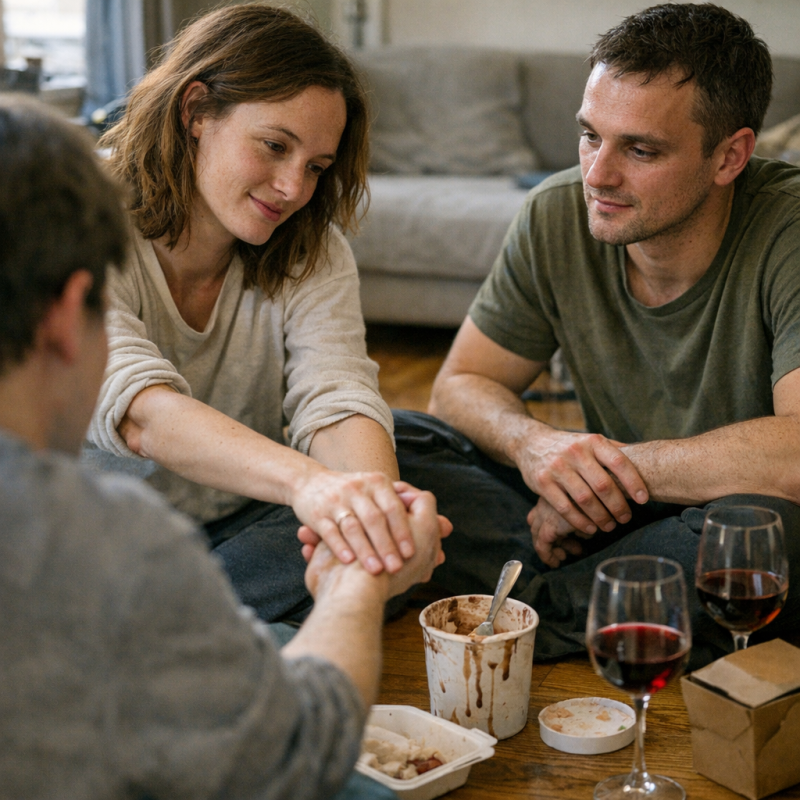 Image by FCT AI
The Weight of Knowing
Mom asked me a few weeks later if I regretted opening the box, learning the truth. I'd thought about that question every day since the funeral. There are moments—usually late at night—when I wish I could go back to not knowing. When ignorance feels like it would have been easier, kinder. I could have just accepted that my grandmother didn't like me and moved on without all this weight. But then I think about the child I was, the teenager, the young woman in her twenties. I think about how I twisted myself into knots trying to figure out what was wrong with me. How I carried that sense of not being good enough into every relationship, every job, every friendship. How I genuinely believed I was unlovable because the evidence was right there every Christmas, every birthday, every family gathering. 'No,' I told Mom. 'I don't regret it.' The truth is ugly and it hurts and I'll carry it for the rest of my life. But at least now I know it was never about me. I still sometimes wish I could go back to not knowing—but then I remember the child who thought she wasn't good enough, and I know that truth, however ugly, was worth the price.
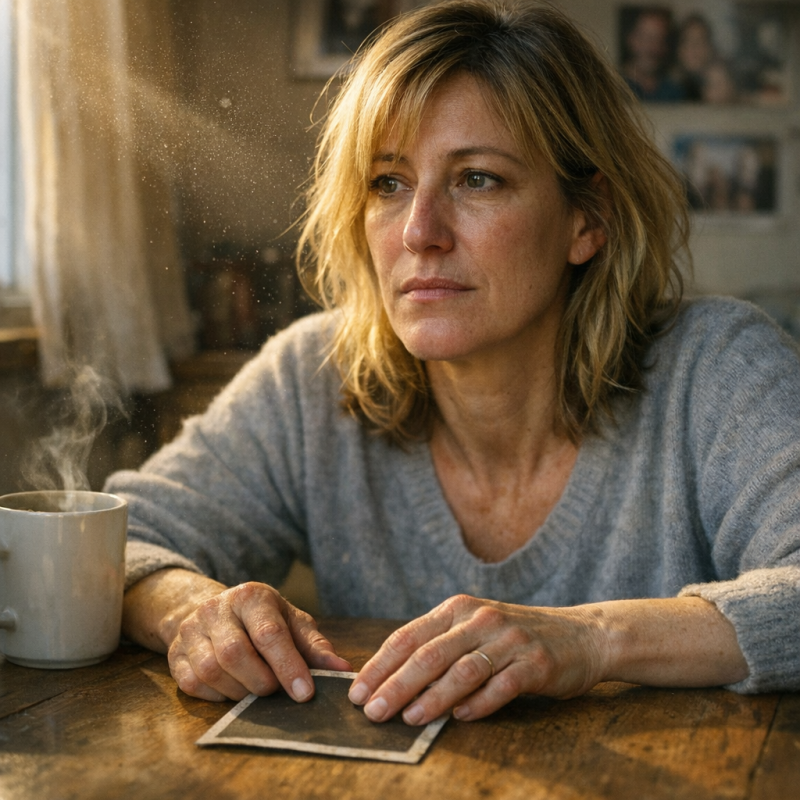 Image by FCT AI