The Plea Offer
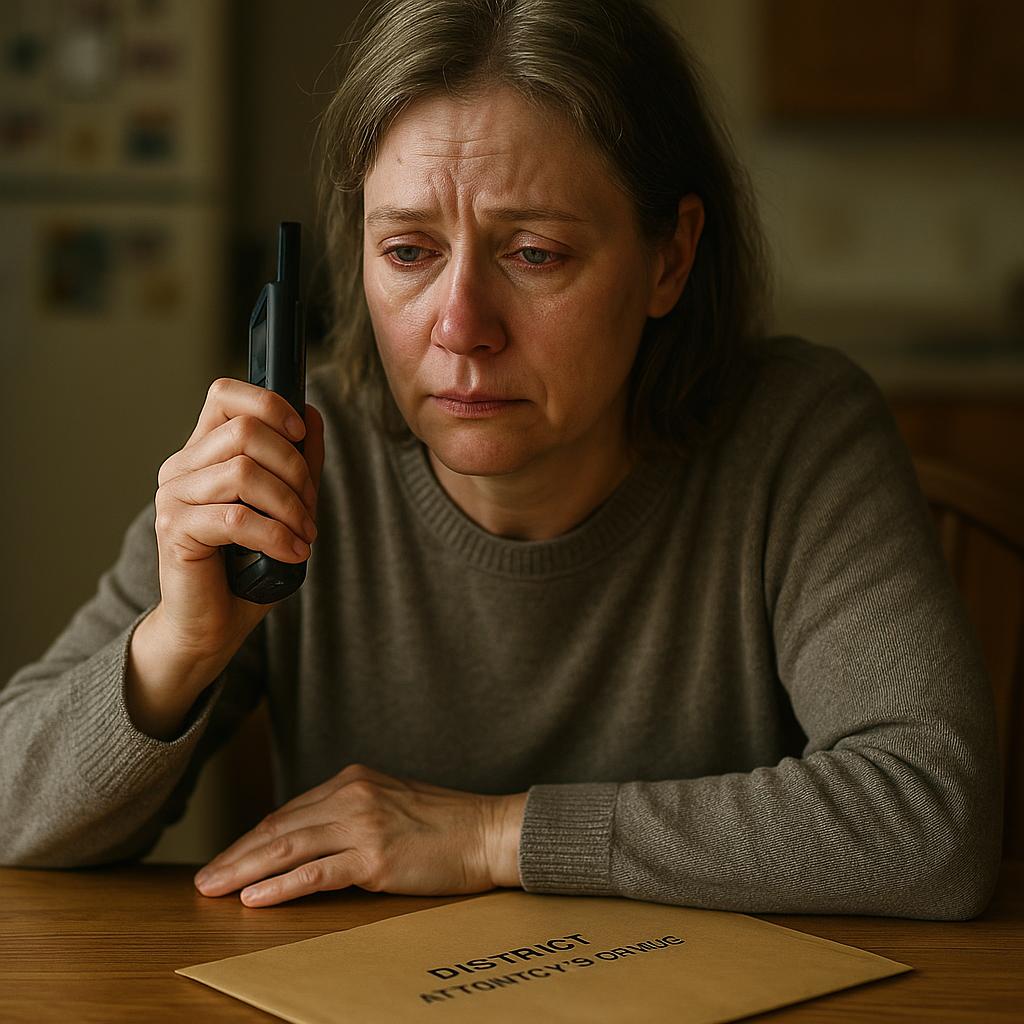
The manila envelope from the district attorney's office sat on my kitchen table for three days before I could bring myself to open it. When I finally did, the words blurred before my eyes: 'State vs. David Holloway - Plea Agreement Offer.' Twenty-five years instead of life.
Second-degree murder instead of first. As if Frank's death could be bargained down like a used car. My phone rang that evening—David's attorney, a slick-voiced man named Pearson who spoke as if he were doing me a favor. 'Mrs. Holloway,' he said, his tone dripping with practiced sympathy, 'I understand this is difficult, but David is still your son.
A mother's testimony for leniency could make all the difference.' I gripped the phone so tightly my knuckles turned white. 'A mother's testimony?' I repeated, my voice barely above a whisper. 'Did you listen to the recordings where he discussed poisoning me too?' The silence on the other end was brief but telling.
'Nevertheless,' he continued smoothly, 'blood is blood. Twenty-five years is a long time for a mistake.' A mistake. As if Frank's murder—and my planned death—were nothing more than a forgotten anniversary or bounced check. I hung up without another word, a cold fury settling in my chest where grief had lived these past months.
That night, I dreamt of Frank standing in our kitchen, pointing to the calendar on the wall. 'Twenty-five years,' he said in my dream. 'I would have given anything for twenty-five more years with you.' When I woke, my decision was made—but what I didn't know was that David had one more card to play, and it would force me to question everything I thought I knew about our family.
The Church Community
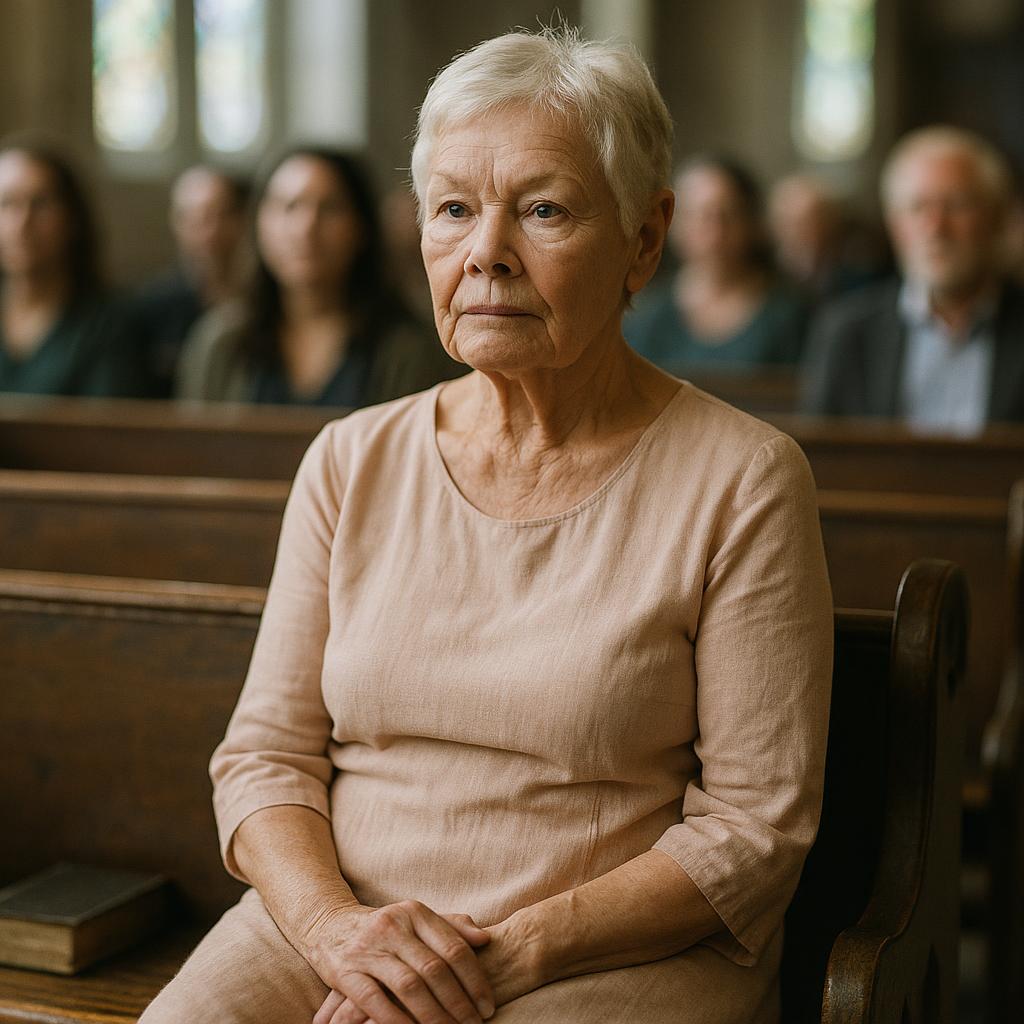
The first Sunday after David's bail hearing, I walked into First Presbyterian with my head high, though my heart felt like lead in my chest. The congregation parted like the Red Sea as I made my way to my usual pew—third row, right side, where Frank and I had sat for thirty years. Some rushed forward with hugs and whispered prayers, while others averted their eyes as if my tragedy might be contagious.
For weeks, my refrigerator overflowed with casseroles and baked goods, each delivered with tearful embraces and promises of continued prayer. But beneath the kindness, I sensed the unspoken questions, the morbid curiosity. 'How are you holding up, Margaret?' became code for 'Tell me more about your murderous son.' Pastor Williams visited on a rainy Tuesday afternoon, settling into Frank's chair with a Bible balanced on his knee.
'Forgiveness is the path to healing,' he said gently, his eyes full of well-meaning pity. I set my teacup down with a clink that seemed to echo through the silent house. 'Tell me, Pastor,' I said, my voice steadier than I felt, 'should Frank forgive the person who stole our golden years?
Should I forgive the son who would have watched me die the same way?' His mouth opened and closed like a fish out of water before he retreated to platitudes about God's mysterious ways and the burden of carrying anger. As he left, he pressed a pamphlet into my hand—'Finding Peace Through Forgiveness'—as if my son's betrayal could be resolved with a church brochure. What Pastor Williams didn't understand, what none of them could possibly grasp, was that forgiveness wasn't just difficult—it was impossible when the person who harmed you still believed they were justified in doing so.
The Pretrial Hearing
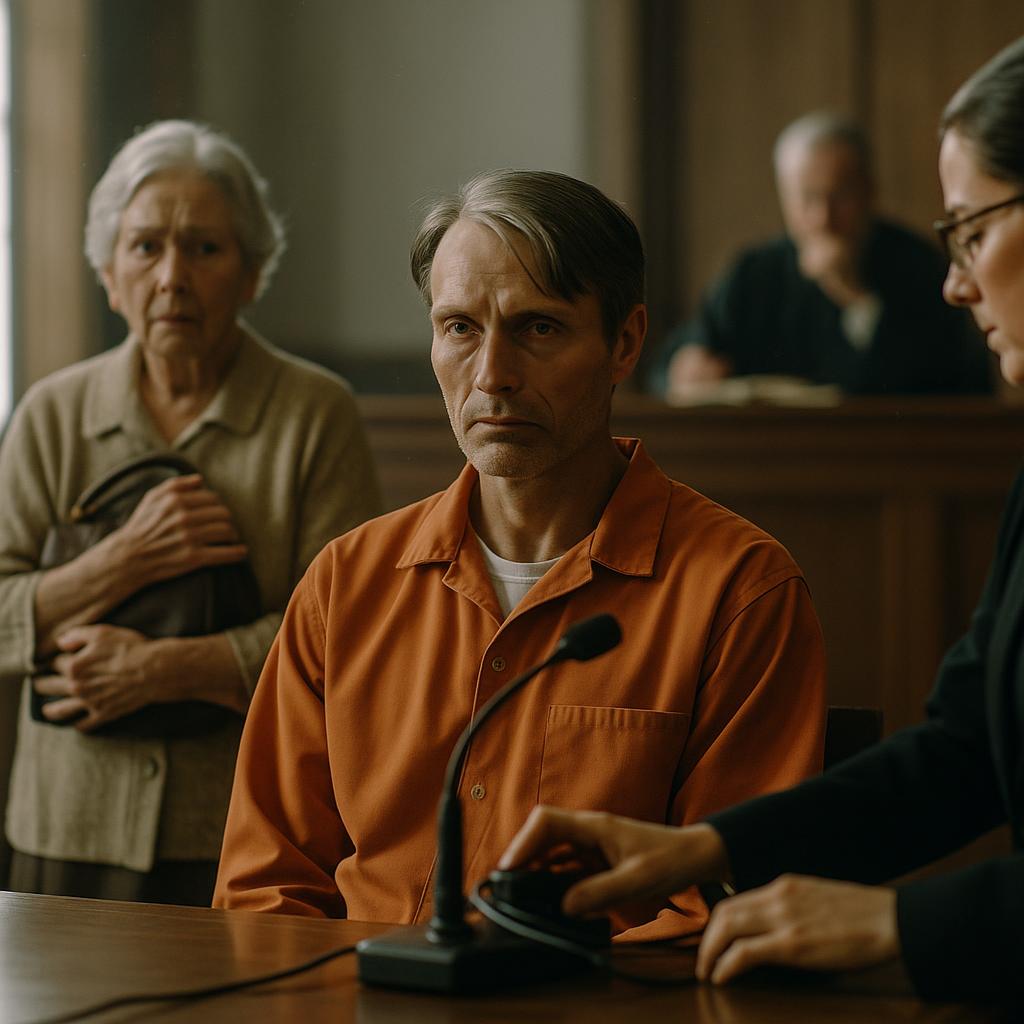
The courthouse felt like a theater of horrors as I walked in for the pretrial hearing. My hands trembled so badly I had to clutch my purse against my chest to hide it. Seventy-two years old, and here I was, about to face the son who'd plotted my death. When they brought David in, the shock nearly knocked me backward.
Gone was the polished, confident man who'd sat at my dining table discussing my 'future care.' This David was gaunt, his designer suits replaced by prison orange that hung from his frame like clothes on a scarecrow. Our eyes met across the courtroom, and for a split second, I saw something flicker there—was it remorse? Shame?
But then it vanished, replaced by that calculating look I now recognized all too well. The prosecutor, a no-nonsense woman with steel-rimmed glasses, methodically set up the audio equipment. 'The State would like to present Exhibit A,' she announced, and suddenly Frank's recordings filled the room.
David's voice—my son's voice—calmly discussing how to poison his father's heart medication. 'If I add it slowly, he won't notice the taste.' The courtroom fell so silent you could hear the ancient heating system clicking in the walls. I watched the judge's face harden with each word, his pen pausing mid-note.
When the recording ended, he looked directly at David. 'How do you plead?' he asked, his voice echoing in the stunned silence. David straightened his shoulders, looked directly at me—his own mother—and said without hesitation: 'Not guilty.' The audacity of it made my blood boil.
Not guilty? The evidence was literally in his own voice! But what happened next would shake the foundations of everything I thought I knew about my son's motives.
The Defense Strategy
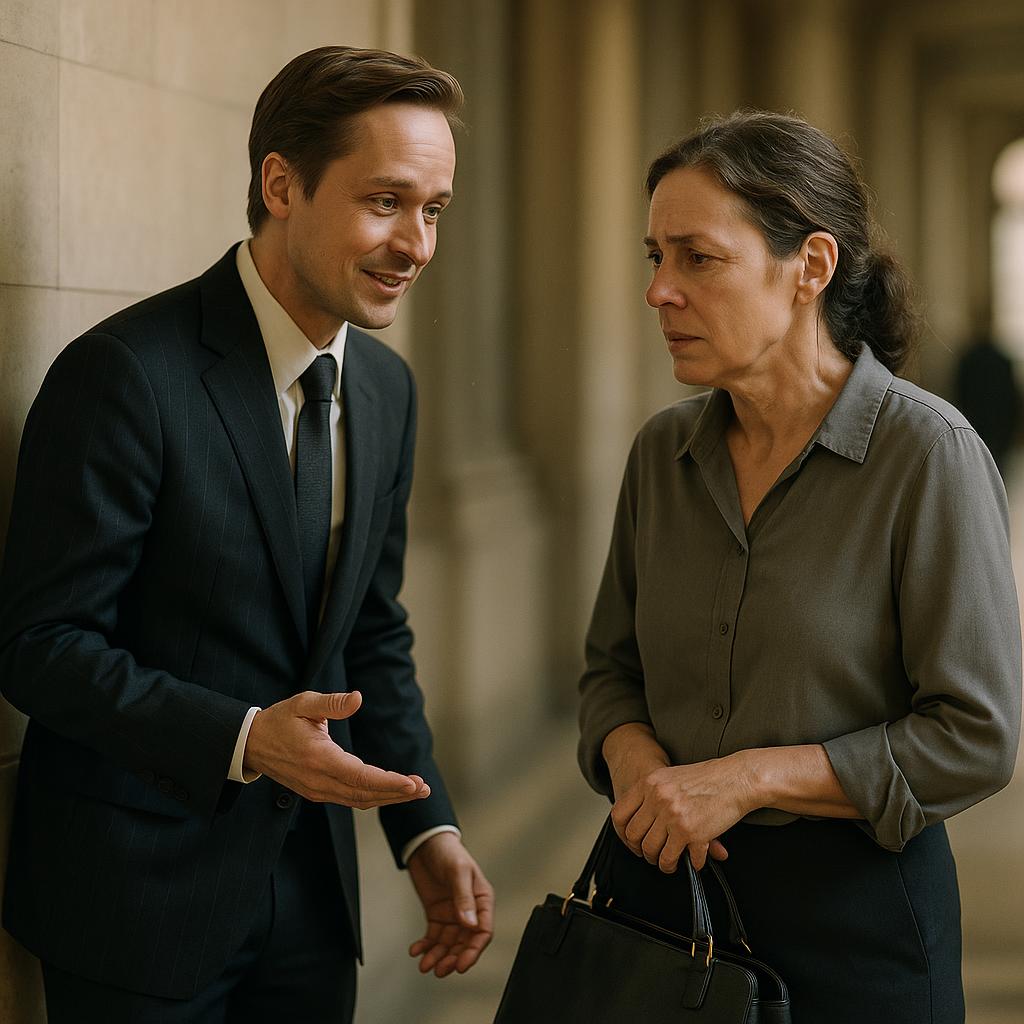
I was gathering my purse to leave the courthouse when David's attorney intercepted me in the hallway. Mr. Pearson—with his expensive suit and practiced sympathetic smile—had the audacity to explain their 'defense strategy' as if he were doing me a favor. 'Mrs.
Holloway,' he said, lowering his voice conspiratorially, 'I thought you should know what we're presenting to the jury.' The blood drained from my face as he outlined their plan: they would argue that Frank had been suffering from paranoid delusions in his final months, installing recording devices due to unfounded suspicions. 'The recordings,' he continued, his voice smooth as oil, 'were either doctored or completely misinterpreted.' I gripped the wall to steady myself. They were going to paint my Frank—my rational, loving husband—as a mentally unstable old man?
Pearson wasn't finished. 'We'll demonstrate that your husband died of natural causes, exactly as initially determined.' Then came the most outrageous claim: that I was being manipulated by George, who supposedly had financial motives of his own. 'Your friend,' Pearson said with a condescending smile, 'stands to benefit considerably from David's conviction.' The sheer audacity left me speechless.
They were going to drag not only Frank's memory through the mud but George's reputation as well. As Pearson walked away, pleased with himself for 'preparing' me, I realized with chilling clarity that my son hadn't just inherited Frank's blue eyes—he'd perfected Frank's talent for strategic thinking, but twisted it into something monstrous. What terrified me most wasn't just the lies they planned to tell, but the small grain of truth they would use to make those lies believable.
The Witness Preparation
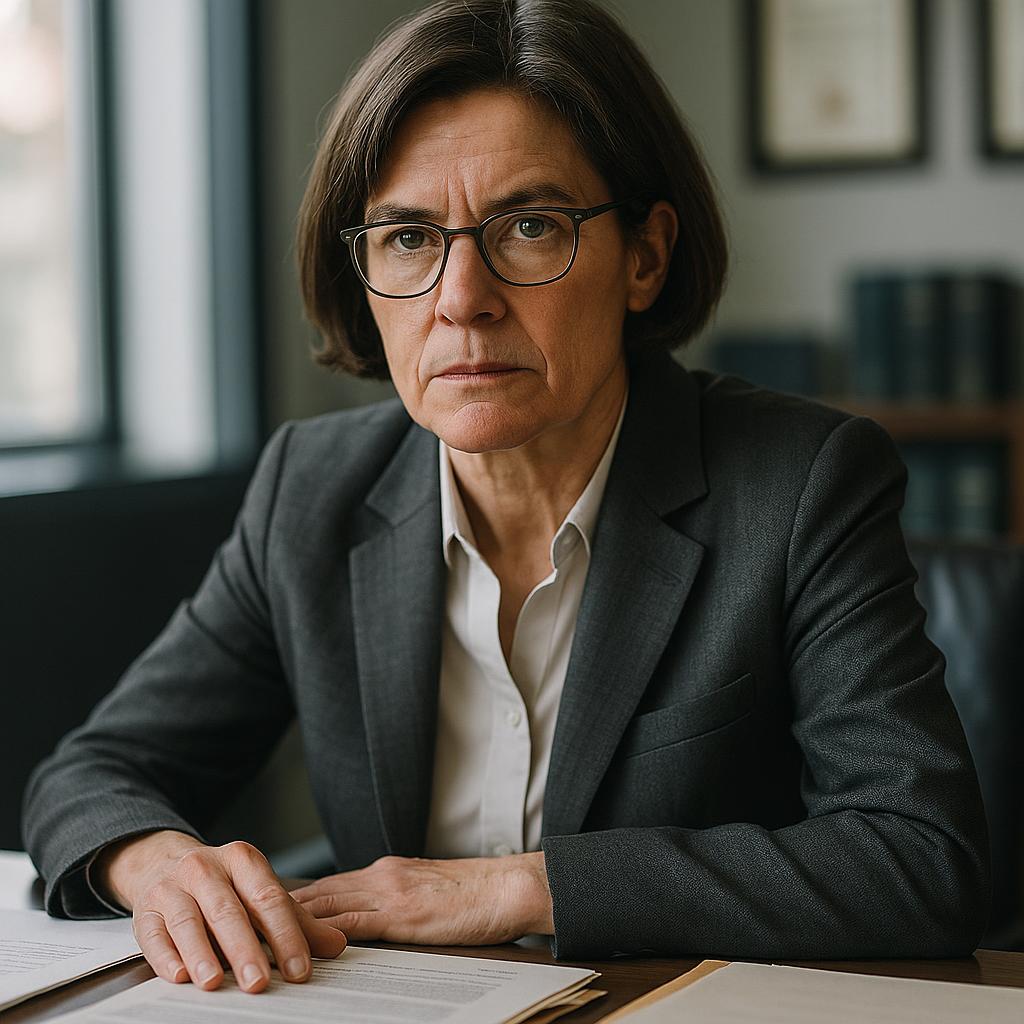
The prosecutor's office was colder than I expected, or maybe it was just the chill that had settled in my bones since this nightmare began. Prosecutor Winters—a woman with sharp eyes and a no-nonsense bob—spread files across the conference table like she was dealing cards in a high-stakes game. 'Mrs.
Holloway,' she said, her voice gentle but firm, 'the defense is going to try three tactics: they'll paint you as confused, they'll suggest you're blinded by grief, and they'll imply George manipulated you.' For four grueling hours, we rehearsed my testimony. She fired questions at me, sometimes gently, sometimes with the same aggressive tone David's attorney would use. 'And why didn't you notice your husband's declining health?' she snapped, making me flinch.
'Because David made sure the poison mimicked natural heart failure,' I answered, my voice steadier than I felt. When we finally took a break, she studied me over her reading glasses. 'Are you prepared to look your son in the eye and testify against him?' she asked.
I straightened my shoulders, feeling Frank's presence beside me as clearly as if he were still alive. 'I'm not testifying against my son,' I replied, surprising myself with the steel in my voice. 'I'm testifying for my husband.' Winters nodded, a hint of respect flickering across her face.
What she didn't tell me then—what I would discover only when I took the stand—was that David had prepared for my testimony in ways that would make me question not just his guilt, but my own sanity.
The Trial Begins
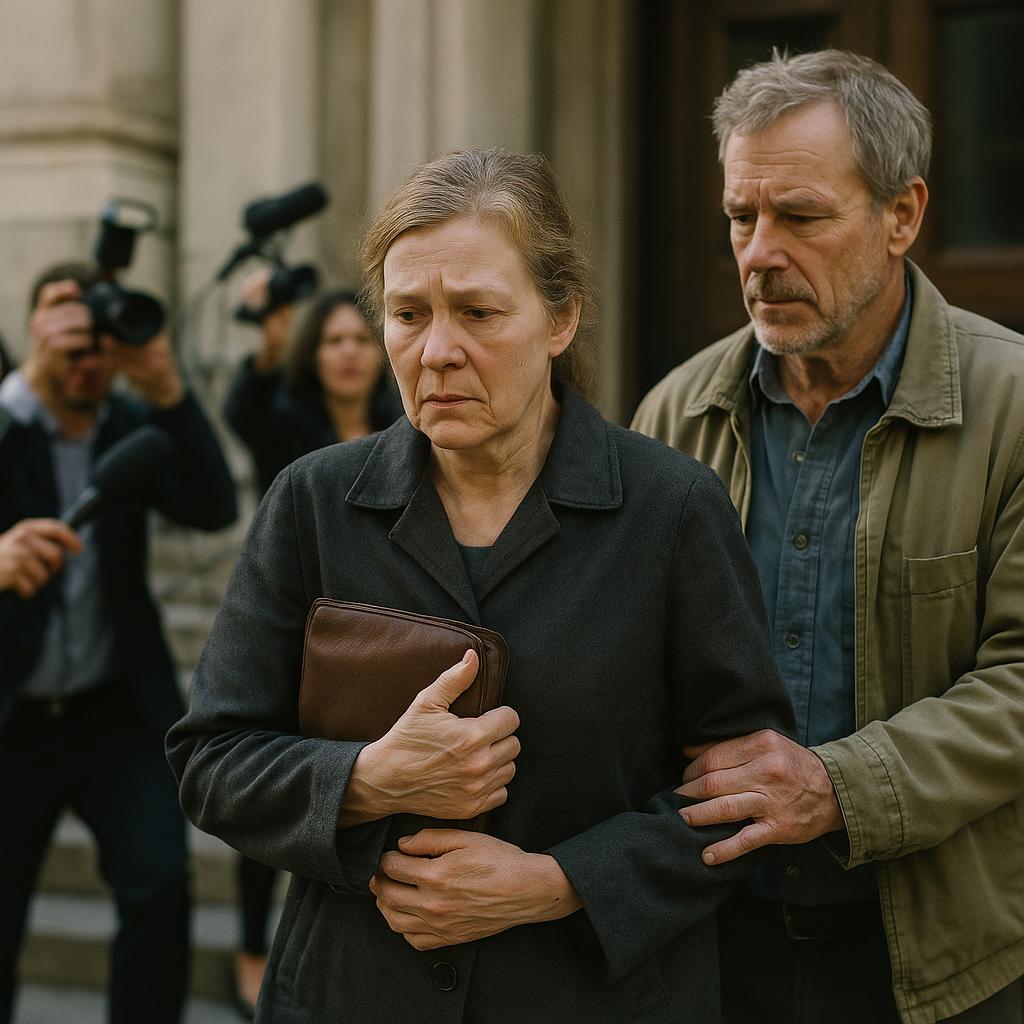
The morning of the trial, I stood on the courthouse steps, clutching my purse like a shield against the barrage of camera flashes and shouted questions. 'Mrs. Holloway! How does it feel to testify against your own son?' I kept my eyes forward, George's steady hand on my elbow guiding me through the chaos.
Inside wasn't much better—the courtroom packed to the rafters with strangers eager to witness our family tragedy unfold like some twisted reality show. Prosecutor Winters commanded the room during her opening statement, her voice unwavering as she laid out the evidence piece by piece: Frank's recordings playing through the speakers, the toxicology report confirming the poison in both Frank's medication and my vitamins, the insurance policies David had taken out without our knowledge. I watched the jury's faces shift from professional neutrality to barely concealed horror.
But when Defense Attorney Klein rose, the transformation in the room was palpable. 'Ladies and gentlemen,' he began, his voice dripping with practiced sincerity, 'this case isn't about a son who betrayed his parents. It's about a grieving widow manipulated by her husband's friend.' He pointed directly at George, sitting behind me.
'A man with his own motives for framing David Holloway.' I felt my breath catch in my throat as Klein continued spinning his web of lies, painting my Frank as delusional and George as a puppet master pulling my strings. What terrified me most wasn't just the audacity of their defense—it was how convincingly Klein delivered these falsehoods, and how intently some jurors seemed to be listening.
George's Testimony
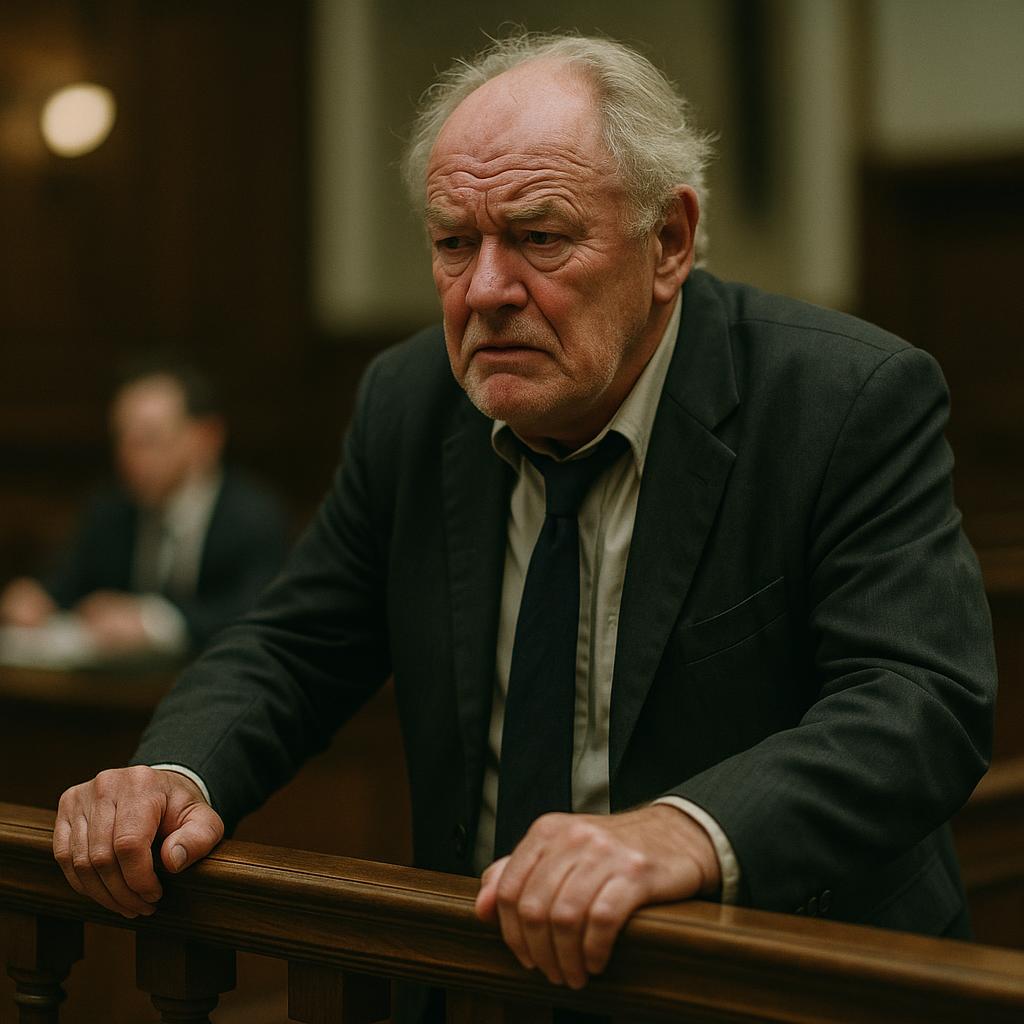
George took the stand on Thursday, his weathered hands gripping the railing as he was sworn in. I'd never seen him look so old—or so determined. For nearly an hour, he described his fifty-year friendship with Frank, their bowling nights, fishing trips, and how they'd been best men at each other's weddings.
'Frank came to me about six months before he died,' George testified, his voice steady despite the emotion in his eyes. 'He said he'd overheard David on the phone discussing medication dosages. He was scared, but he didn't want to break Margaret's heart without proof.' When Klein rose for cross-examination, the atmosphere in the courtroom shifted like a sudden storm.
'Isn't it true, Mr. Lawson,' Klein began with a snake-oil smile, 'that you've had feelings for Mrs. Holloway for years?' The gasps around me were audible. George's face flushed. 'That's ridiculous,' he snapped. Klein pressed harder, suggesting George had doctored the recordings himself to frame David and 'comfort the grieving widow.' I watched George's knuckles turn white on the witness stand.
'Frank Holloway was my best friend for half a century,' he said, his voice rising with each word. 'I would never dishonor his memory with lies. And I would never—NEVER—hurt Margaret by manipulating her grief.' The jury seemed moved by his raw emotion, but as George stepped down, I caught a juror in the back row exchanging a skeptical glance with another.
What none of us realized then was that Klein's attack on George was just the opening salvo in a defense strategy more twisted than I could have imagined.
The Expert Witnesses
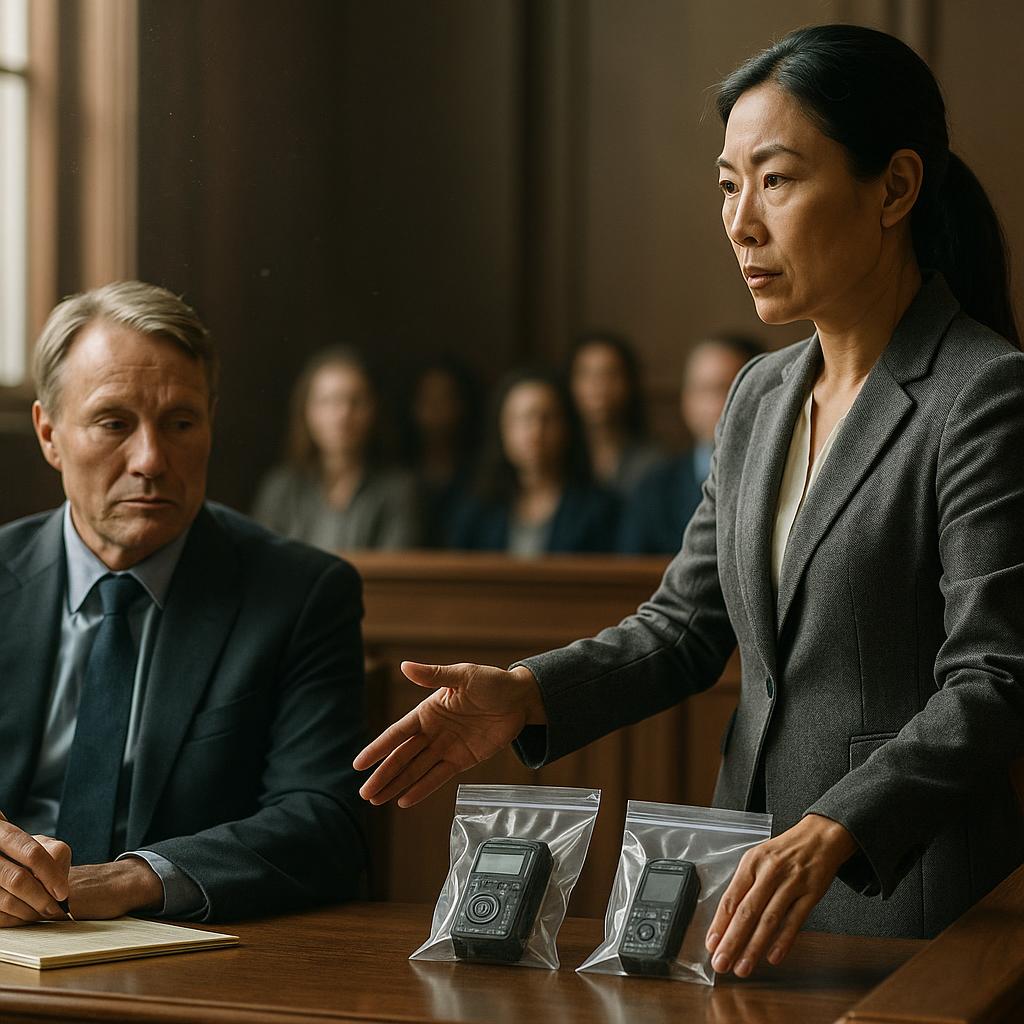
The courtroom fell silent as Dr. Elaine Chen approached the witness stand, her credentials in forensic technology scrolling across the prosecutor's presentation screen like credits to a horror movie I was living through. 'These recording devices,' she explained, pointing to the evidence bags containing Frank's hidden recorders, 'are Phantom X-7 models, typically used by private investigators and law enforcement.' She confirmed they'd been installed within the last year of Frank's life—exactly when he must have first suspected something was wrong.
'These aren't available at your local electronics store,' she added, her eyes sweeping across the jury. 'They require specialized connections to obtain.' When the toxicologist took the stand next, I gripped the edge of my seat so hard my fingers went numb. 'Cardiotoxin-B,' he explained, 'is what we call the perfect poison for someone with pre-existing heart conditions.' He described how it gradually weakens the heart muscle, mimicking natural deterioration so perfectly that most hospitals wouldn't detect it without specifically looking for it.
'Without prior suspicion,' he said gravely, 'it would be diagnosed as natural heart failure every time.' Throughout both testimonies, I couldn't help but watch David. My son—the boy I'd raised—sat there taking notes on a yellow legal pad as if he were attending a business conference, not his own murder trial. His face remained impassive, occasionally nodding at particularly technical points as if appreciating the expertise behind the very methods he'd used to kill his father.
What chilled me most wasn't just the calculated nature of Frank's murder, but the realization that if these experts were right, David had been planning this for far longer than any of us had suspected.
Vanessa's Deal
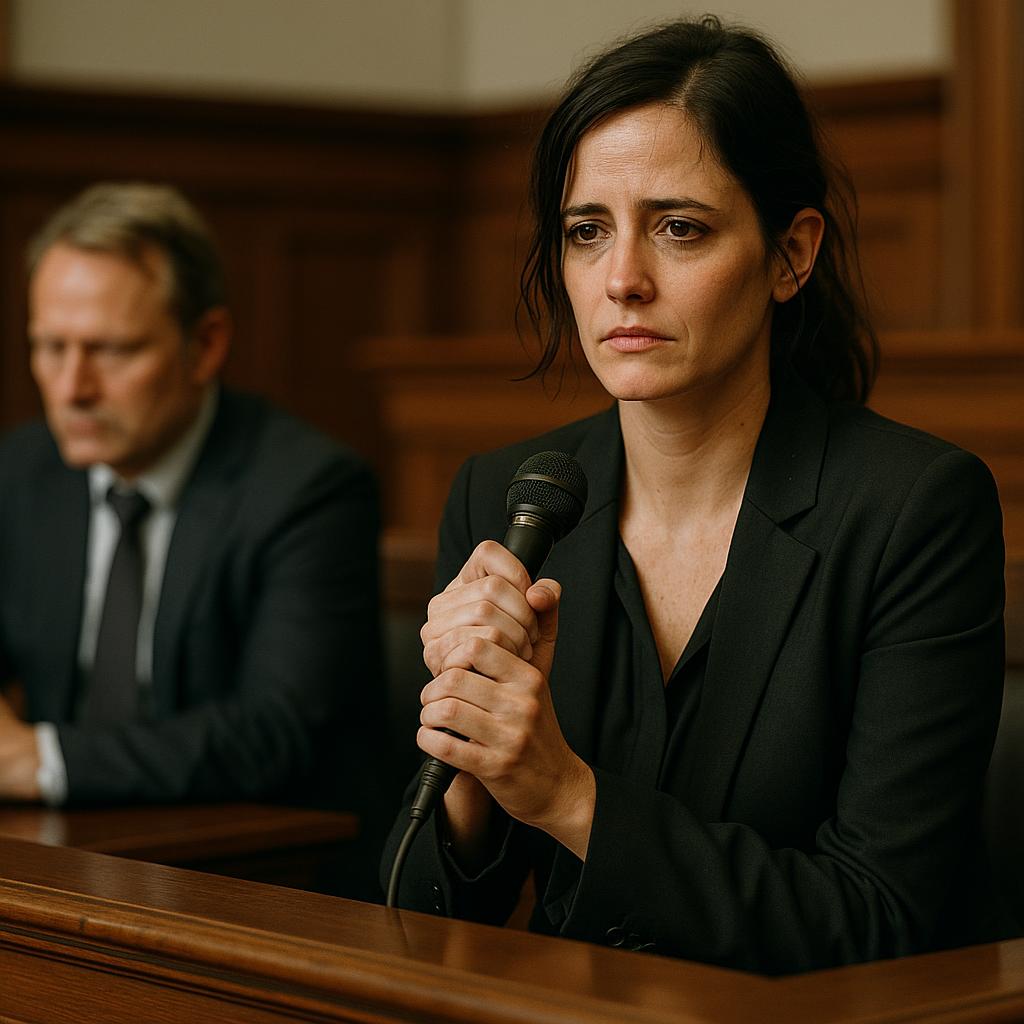
The courtroom fell into a hushed silence as Vanessa Laurent took the stand, her designer heels clicking against the polished floor. She looked nothing like I'd imagined – not some seductive temptress, but a nervous pharmaceutical researcher with trembling hands and smudged mascara. As part of her plea deal, she was testifying against my son, and what came out of her mouth made my stomach turn.
"David approached me at a conference," she explained, her voice barely audible. "He said he needed information about compounds that could mimic natural heart failure." She detailed how my son had calculated dosages based on Frank's exact weight and existing medication, how he'd tested different mixtures to ensure they wouldn't be detected. "He was... methodical," she said, choosing her words carefully.
"He kept a journal with timelines." Throughout her testimony, David refused to look at her, staring instead at his hands as if they belonged to someone else. But when Vanessa described their relationship – how David had promised her a future funded by insurance money – his jaw tightened visibly. "After his father," she continued, tears welling in her eyes, "he planned to use the same method on his mother." The prosecutor gently asked why she'd agreed to help.
Vanessa's answer chilled me to the bone: "He said it was mercy... that they were old and suffering." I wasn't old enough, apparently, to deserve the truth that my own son had decided my time was up. What Vanessa revealed next would make even the most skeptical juror's blood run cold.
My Day in Court
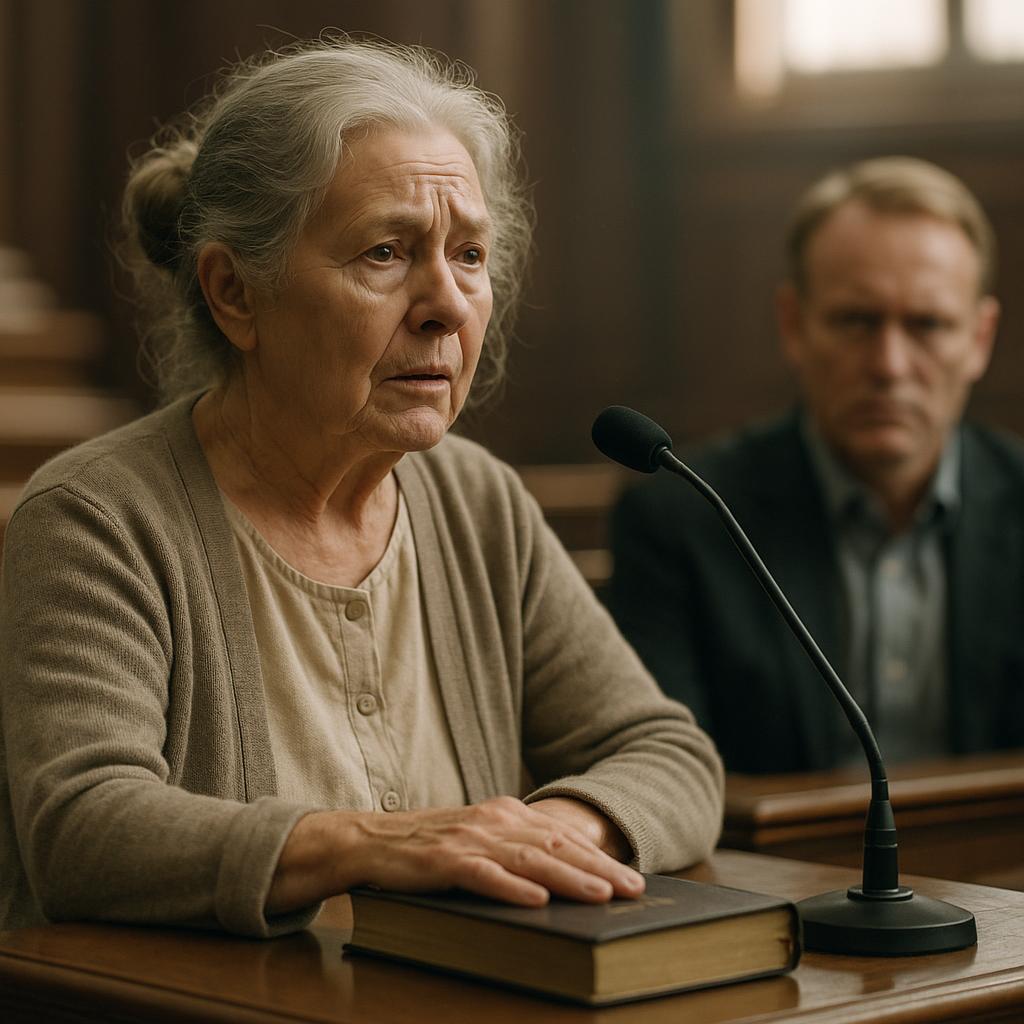
The courtroom fell silent as I approached the witness stand, my sensible shoes echoing against the marble floor. At 72, I never imagined I'd be testifying against my own flesh and blood, but here I was. As I placed my hand on the Bible and swore to tell the truth, I caught David's eye.
Nothing—not a flicker of remorse or shame. Just that calculating stare I now recognized all too well. Prosecutor Winters guided me gently through my testimony—finding the recording devices hidden throughout our home, receiving that devastating tape, the moment my world collapsed as I heard my son's voice planning not just Frank's death, but mine.
'He spoke about my death as casually as discussing the weather,' I said, my voice surprisingly steady. When Klein rose for cross-examination, his smile reminded me of a used car salesman. 'Mrs. Holloway,' he began, his voice dripping with false sympathy, 'isn't it possible grief has confused your recollections?
Perhaps Frank was recording you due to suspicions of...infidelity with George?' A collective gasp rippled through the courtroom. I straightened my shoulders, channeling fifty years of Frank's quiet strength. 'My husband trusted me for fifty years,' I replied, looking directly at the jury.
'The only person he didn't trust was sitting right there.' I pointed at David without hesitation. The look that crossed my son's face in that moment wasn't anger or shame—it was something far more disturbing: admiration, as if my standing up to him was somehow entertaining.
The Defense's Case
The defense's parade of character witnesses made me feel like I was watching a bizarre alternate reality show about my son. One by one, they took the stand—David's college roommate who tearfully described how David had paid his tuition when his scholarship fell through; his business partner who praised his ethical business practices; even his ex-wife (who I'd always thought despised him) suddenly singing his praises like he was up for sainthood. 'David visited his parents every Sunday without fail,' she testified, conveniently forgetting the months he'd disappeared when Frank first got sick.
The defense's expert, a smug man with too many degrees and not enough common sense, suggested the recordings could have been 'manipulated or edited'—though under Winters' blistering cross-examination, he admitted he hadn't actually examined the original tapes. 'Theoretical possibilities,' he stammered, his credibility crumbling. Throughout it all, David maintained that solemn, respectful expression I'd seen a thousand times—at business dinners, at church, at Frank's funeral.
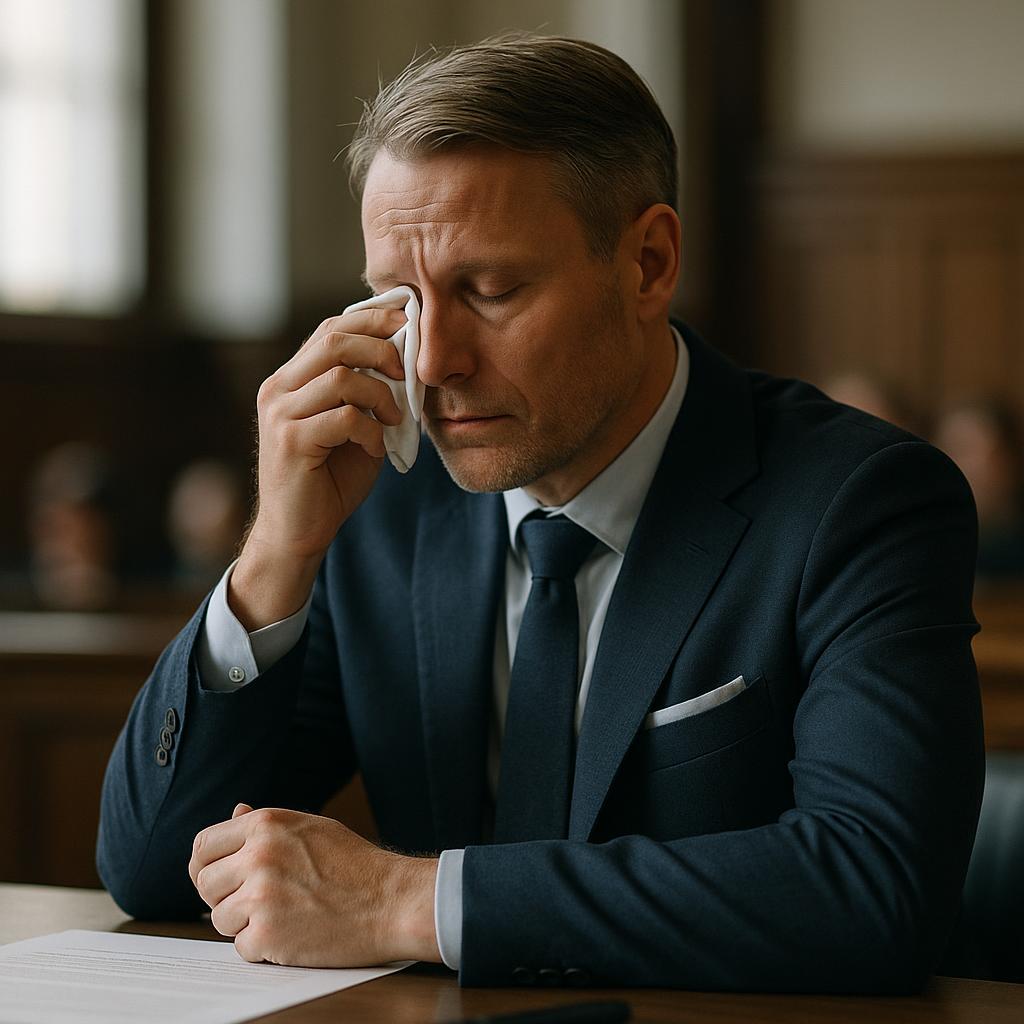
It was the same mask he'd perfected since college, the one that had fooled everyone, including me, for decades. Watching him sit there, hands folded neatly, occasionally dabbing at dry eyes with a handkerchief, I realized with a chill that I'd never actually known my son at all. What terrified me most wasn't just his capacity for deception, but how the jury seemed to be warming to this performance—until the prosecution revealed what they'd found in David's basement safe.
David Takes the Stand
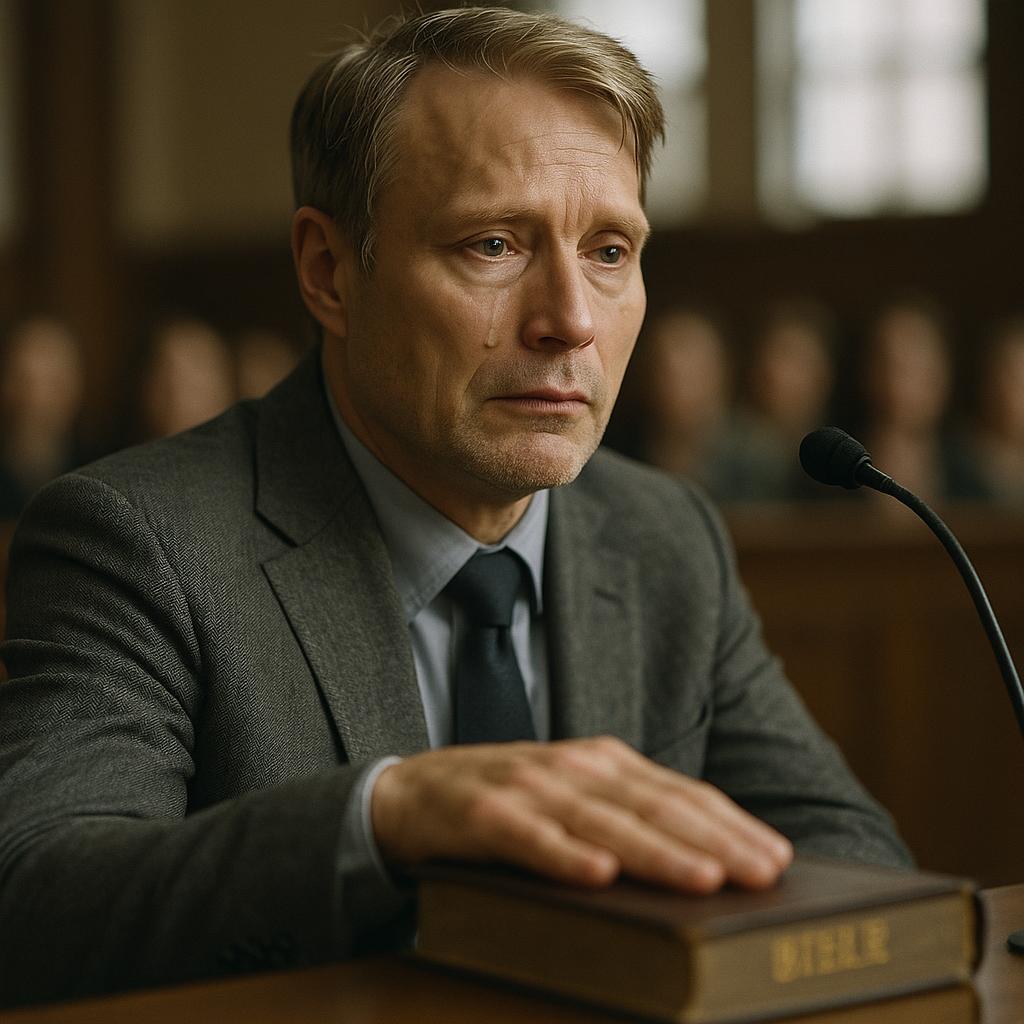
The courtroom fell into a hush as David approached the witness stand. Against Klein's whispered objections, my son had insisted on testifying—a move that surprised everyone, including me. He looked almost like the boy I'd raised as he placed his hand on the Bible, his voice steady and clear.
'I loved my parents more than anything,' he began, his eyes scanning the jury faces before landing on mine. For the next forty minutes, David wove a tale so convincing I almost questioned my own memories. He spoke of Frank's 'increasing paranoia' in his final months, how my husband had become 'fixated on conspiracies' as his heart condition worsened.
'Dad was installing recording devices everywhere,' David explained, his voice breaking perfectly on cue. 'He thought the neighbors were spying on him.' When Prosecutor Winters asked about the damning recordings, David had an answer ready. 'That was me rehearsing for our company's murder mystery dinner,' he said, shaking his head sadly.
'Dad must have recorded it and misunderstood.' The performance was masterful—tears welling at precisely the right moments, voice cracking when mentioning Frank's name. When asked directly if he poisoned his father, David looked straight at me, a single tear rolling down his cheek. 'I would never hurt my father,' he said.
'I loved him.' For one terrible moment, I felt myself wavering. That's the thing about skilled liars—they make you doubt your own truth. But then I noticed something no one else seemed to catch: the slight twitch at the corner of his mouth, the same tell he'd had since childhood whenever he was lying about breaking curfew or stealing cookies.
What the jury couldn't see was the cold calculation behind those tears, or the way his fingers drummed silently against his thigh—not from nervousness, but impatience.
The Cross-Examination
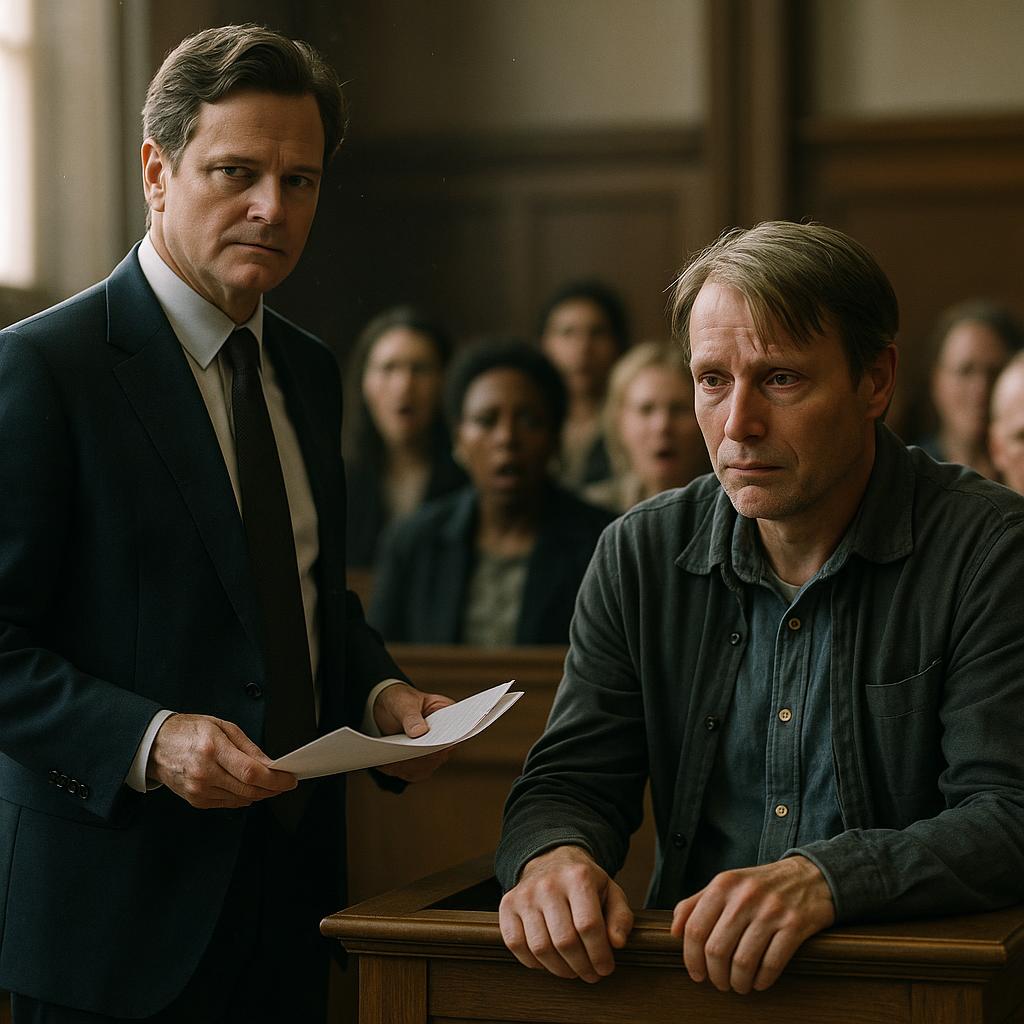
Prosecutor Winters approached the stand with the calm confidence of a chess master about to call checkmate. 'Mr. Holloway,' she began, sliding bank statements across the exhibit table, 'could you explain these credit card debts totaling over $200,000?' The color drained from David's face as the jury examined his financial house of cards.
Winters methodically dismantled his carefully crafted persona—revealing mortgage defaults, gambling debts, and a lifestyle he couldn't afford. 'And these internet searches,' she continued, displaying his browser history on the courtroom screen, 'can you explain why you researched "inheritance laws" and "undetectable poisons" three months before your father's death?' David's lawyer half-rose, then sank back down, knowing the damage was done. I clutched George's hand as my son's mask began to slip.
When Winters presented the insurance policies—$2 million worth that Frank and I never knew existed—David's composure finally shattered like thin ice. 'You don't understand what it's like,' he snapped, his voice rising with each word, 'to watch your inheritance being wasted on medical bills and cruise vacations!' The courtroom erupted in gasps. I felt physically ill as the truth spilled out—our lives had been nothing but dollar signs to him, obstacles to the money he felt entitled to.
As the judge called for order, I caught a glimpse of the jury's faces. The sympathetic looks they'd given David earlier had transformed into something else entirely: horror, disgust, and the unmistakable look of people who had just witnessed a confession no clever defense could undo.
Closing Arguments
The courtroom was so quiet during closing arguments that I swear you could hear everyone's heartbeats. Klein stood before the jury, his expensive suit perfectly pressed, making one last desperate plea. 'Ladies and gentlemen,' he said, his voice dripping with manufactured sincerity, 'all we have here is circumstantial evidence and a grieving mother who's been manipulated.' He gestured toward me with a sympathetic smile that made my skin crawl.
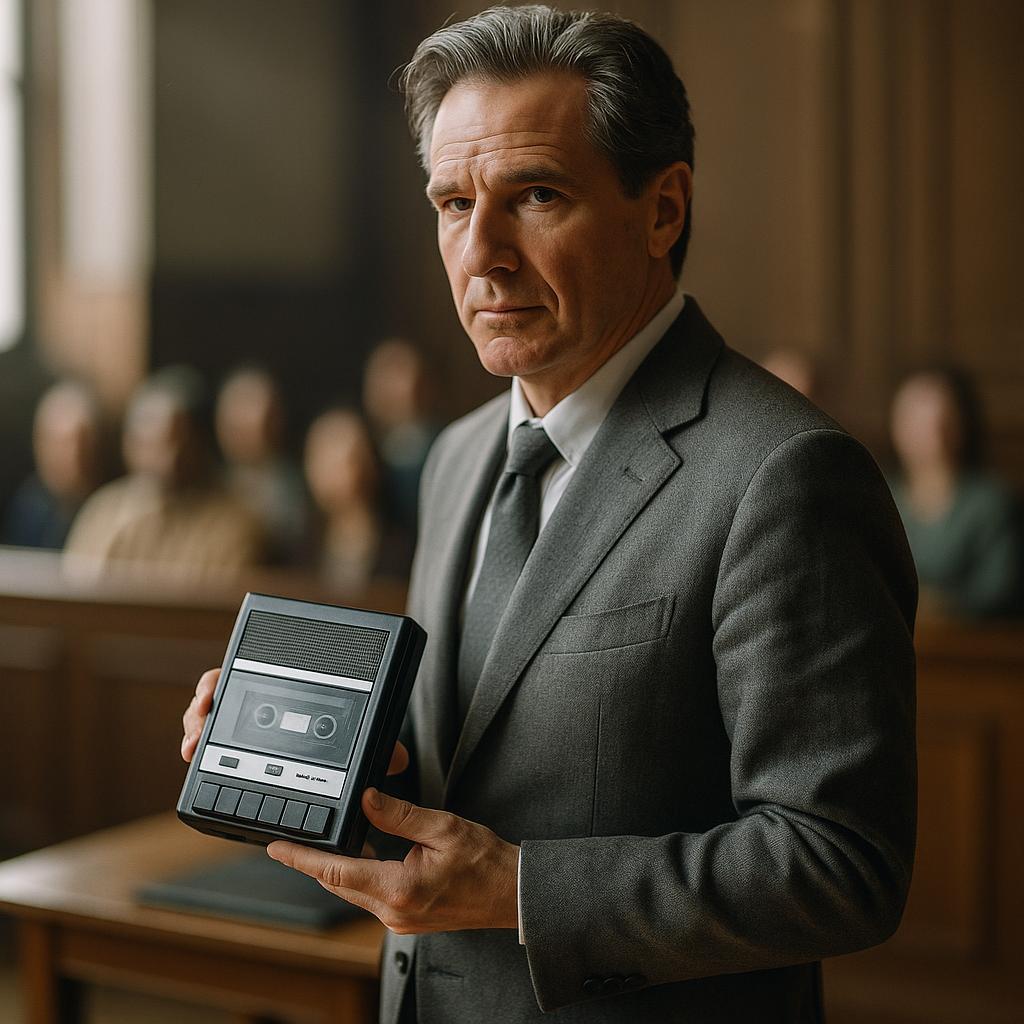
'Shouldn't a son deserve the benefit of the doubt from both you and his own mother?' I gripped George's hand so tightly I'm surprised I didn't break his fingers. When Prosecutor Winters rose, she didn't waste time on theatrics. She simply walked to the evidence table, picked up the tape player, and pressed play.
David's voice filled the courtroom one last time: 'Once she's gone, I'll have the house and the savings. No one will question it.' Several jurors visibly flinched. Winters let the silence hang after the recording ended, then spoke directly to the jury. 'Frank Holloway's final act on this earth wasn't just dying,' she said, her voice steady and clear.
'It was protecting his wife from their own son. You owe it to his memory to deliver justice.' As the jury filed out for deliberation, David turned to look at me, and for the first time since this nightmare began, I saw something in his eyes I'd never seen before—not remorse, not anger, but something far more terrifying: nothing at all.
The Verdict
Three days. Three agonizing days of waiting while twelve strangers decided the fate of my son. The courthouse hallways became my second home, with George bringing me sandwiches I couldn't eat and coffee I barely tasted. When we finally filed back into that courtroom on Thursday afternoon, you could have heard a pin drop.
Reporters lined the walls like vultures, their pens poised to document our family tragedy for the evening news. I sat ramrod straight, my hands folded in my lap the way Frank always said made me look dignified. The jury filed in, not one of them making eye contact with David or me.
'Has the jury reached a verdict?' Judge Harmon's voice seemed to echo. The foreman stood, a middle-aged woman with kind eyes who now looked like she carried the weight of the world. 'We have, Your Honor. We find the defendant guilty of murder in the first degree.' The courtroom erupted in whispers, but I felt nothing—no relief, no vindication, just a hollow emptiness where my heart used to be.
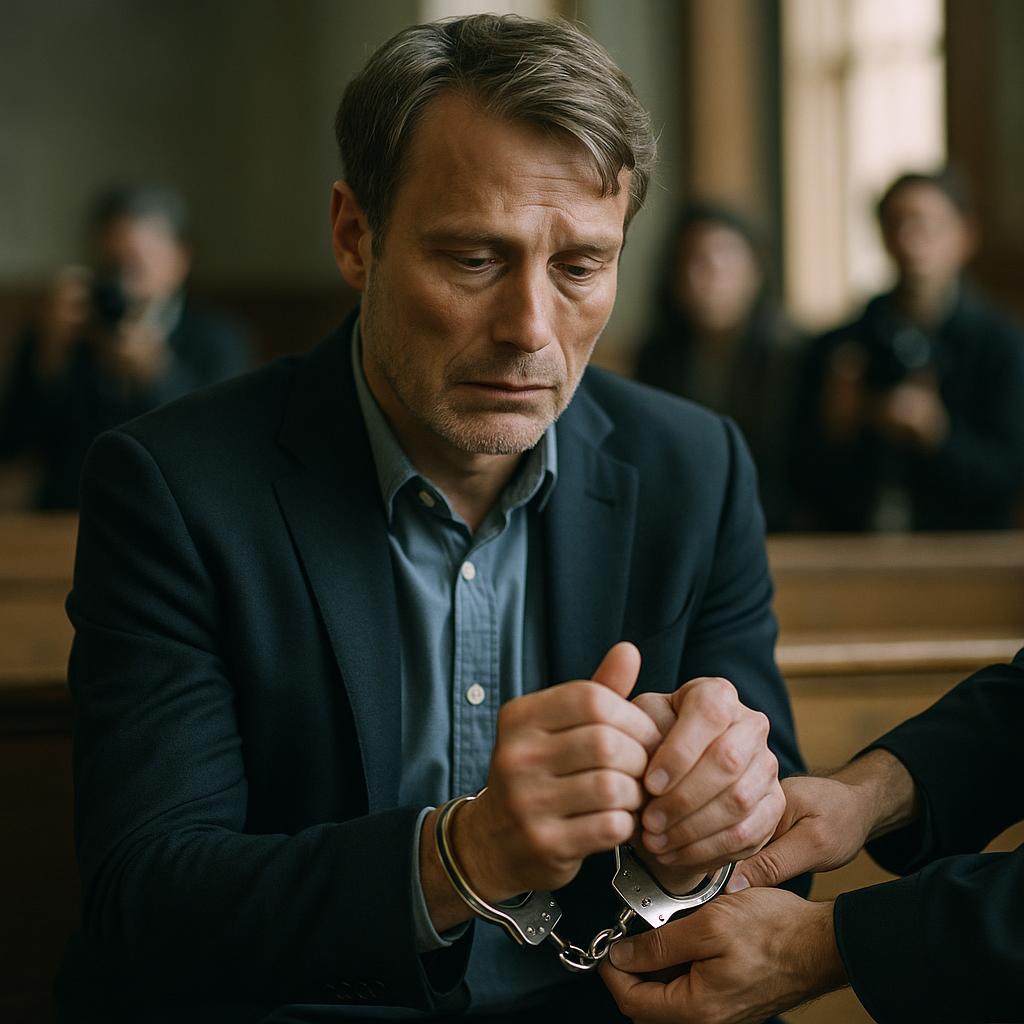
David didn't flinch, though I noticed his manicured hands trembling slightly as they cuffed him. When the judge asked if I wanted to make a victim impact statement before sentencing, I simply shook my head. What could I possibly say that Frank hadn't already said through those recordings?
As they led my son away, he turned to look at me one last time. I expected hatred, perhaps even a plea for forgiveness, but what I saw in his eyes made me realize that the true sentence in this tragedy wasn't the one the judge would hand down—it was the life sentence of questions I would carry to my grave.
The Sentencing
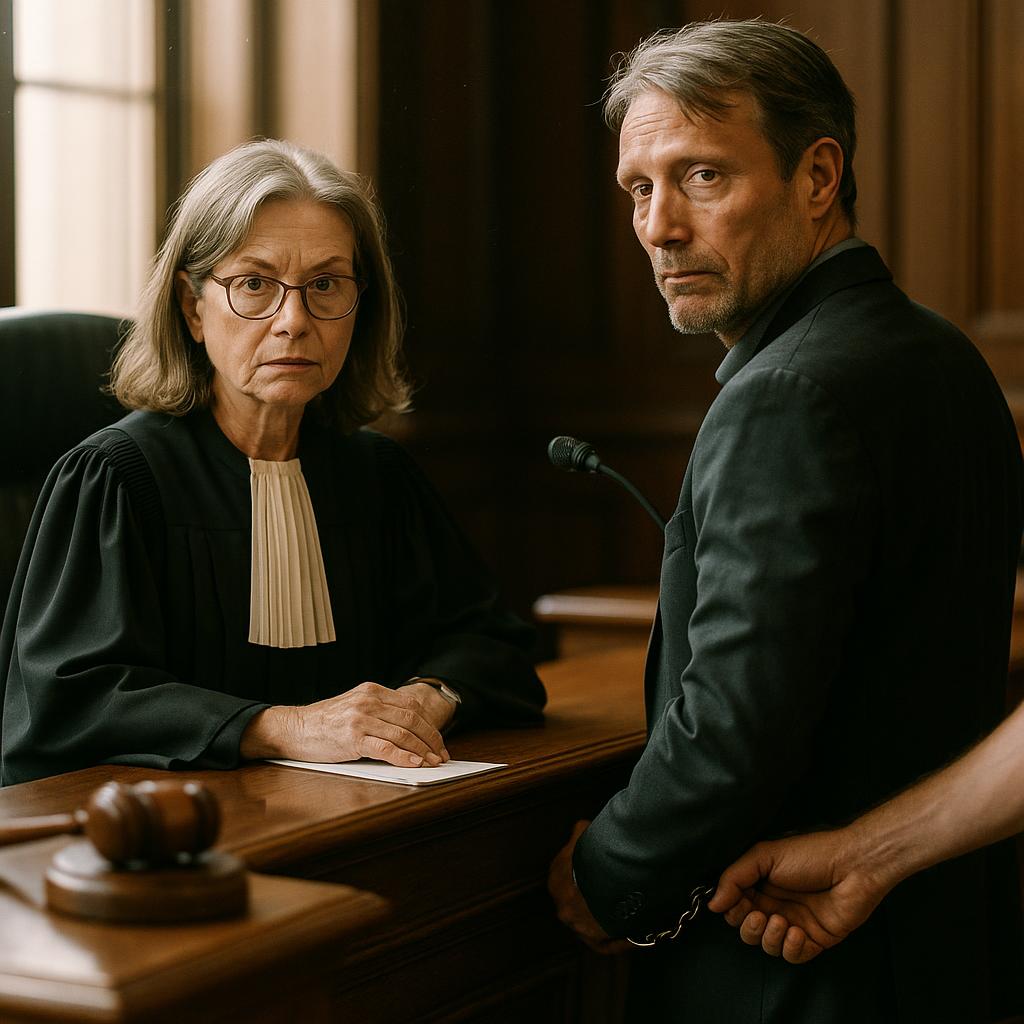
The courtroom on sentencing day felt different—heavier somehow, as if the air itself carried the weight of what was about to happen. I wore Frank's favorite blue dress; he always said it brought out the strength in my eyes. Judge Keller, a stern woman with silver-streaked hair and reading glasses perched on her nose, looked directly at David as she delivered her verdict.
"Mr. Holloway," she began, her voice cutting through the silence, "in my thirty years on the bench, I have rarely encountered a crime that demonstrates such calculated betrayal of the most sacred trust." She methodically recounted how David had poisoned his own father, planned my death, all while pretending to be a devoted son. "The premeditated murder of a parent for financial gain," she continued, her voice hardening, "represents the ultimate perversion of family bonds." When she announced life imprisonment without possibility of parole, I didn't feel the relief I'd expected.
Instead, I felt a strange emptiness, like the final page of a book I never wanted to read. As they led David away in handcuffs, he turned back—just once—and our eyes met across the courtroom. What I saw wasn't my little boy who once needed me to check for monsters under his bed.
It wasn't even the man who had sat expressionless through his trial. It was a stranger wearing my son's face, and I realized with crushing clarity that I had lost him long before this moment. The true sentence wasn't just his—it was mine too, a life sentence of wondering where I had gone wrong, and whether I could have changed anything if I'd seen the truth sooner.
The Aftermath
The house feels different now. Emptier, yet somehow lighter. It's been three weeks since the gavel fell on David's sentencing, and the reporters have finally stopped camping at the end of my driveway like vultures waiting for roadkill. I've started the painful process of reclaiming my life—one room, one memory at a time.
Yesterday, I emptied David's childhood bedroom, my hands trembling as I folded Little League trophies and high school yearbooks into donation boxes. How do you reconcile the smiling boy in those photographs with the man who calculated how to end your life? I've converted his room into a reading nook, with Frank's favorite armchair by the window.
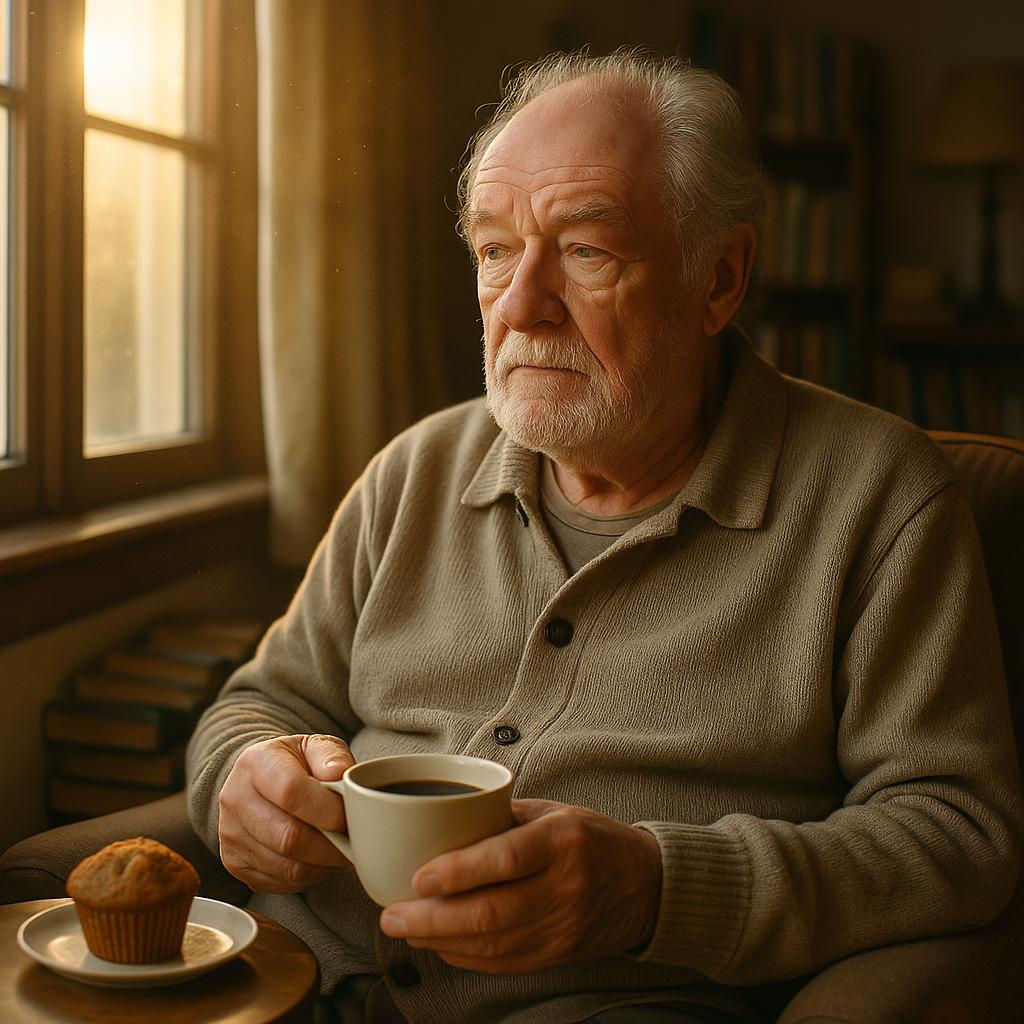
Sometimes I sit there with his cardigan draped over my shoulders, watching the neighborhood children play across the street, wondering where exactly our family story went so terribly wrong. George stops by every morning with coffee and muffins, pretending he was 'just in the neighborhood,' though I know his house is twenty minutes in the opposite direction. Elaine from my church group brings casseroles on Wednesdays and stays for Wheel of Fortune.
They're creating a rotation, these friends of mine, ensuring I'm never alone with my thoughts for too long. I'm grateful, even when their concerned glances make me feel like fine china that might shatter at any moment. Last night, I found myself talking to Frank's photograph, asking if he knew all along what our son was capable of.
The silence that followed wasn't the emptiness I once feared—it was a different kind of quiet, one filled with the strange peace that comes after surviving something you never imagined possible. What none of us realized then was that the true healing wouldn't begin until I opened the letter that arrived yesterday, postmarked from the state penitentiary.
The Prison Visit
The letter from the prison chaplain sat on my kitchen table for three days before I could bring myself to respond. 'Your son has been attending services regularly,' it read in neat, compassionate handwriting. 'He's asked if you would consider visiting.' George nearly had a conniption when I told him I was going.
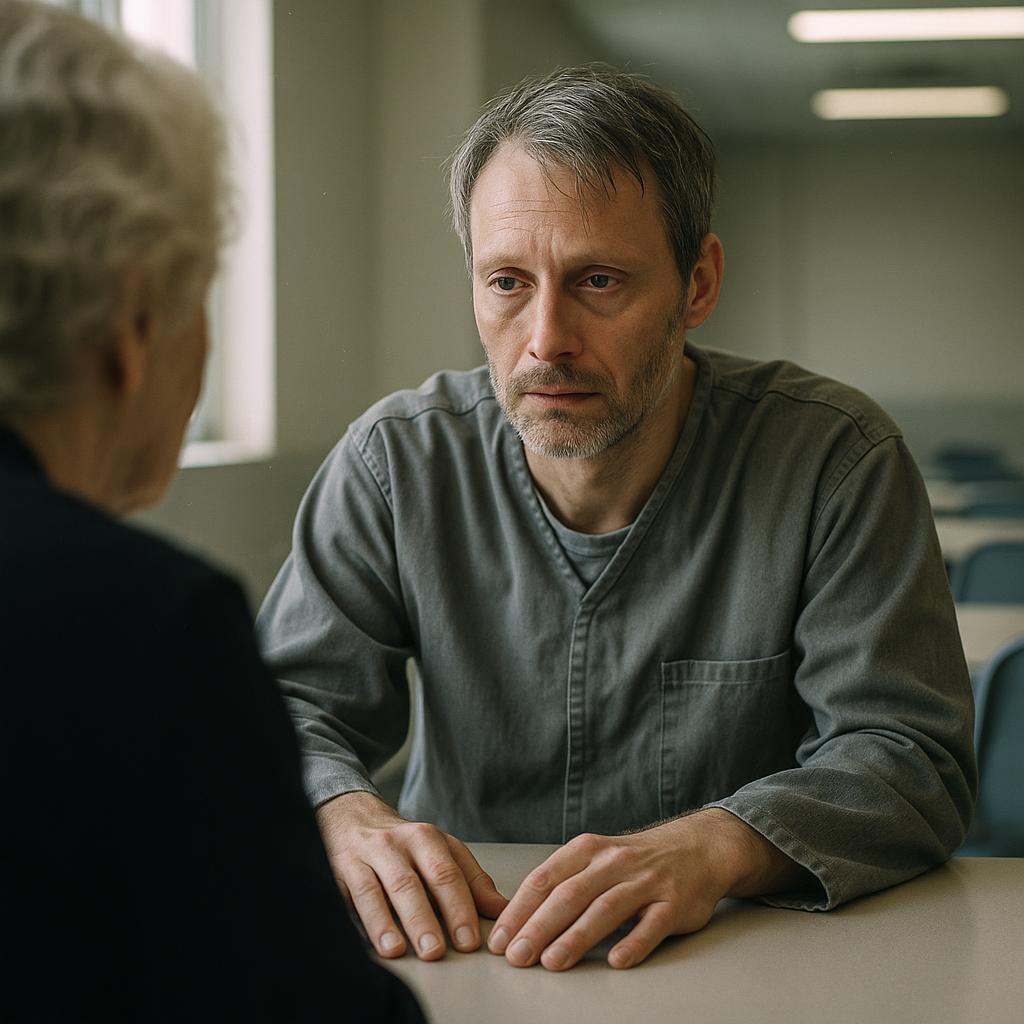
'After everything he did?' he sputtered over our morning coffee. But there were questions that haunted my sleepless nights, questions only David could answer. The prison visiting room was exactly what you'd expect—cold fluorescent lighting, plastic chairs bolted to the floor, and that distinct institutional smell of disinfectant masking despair.
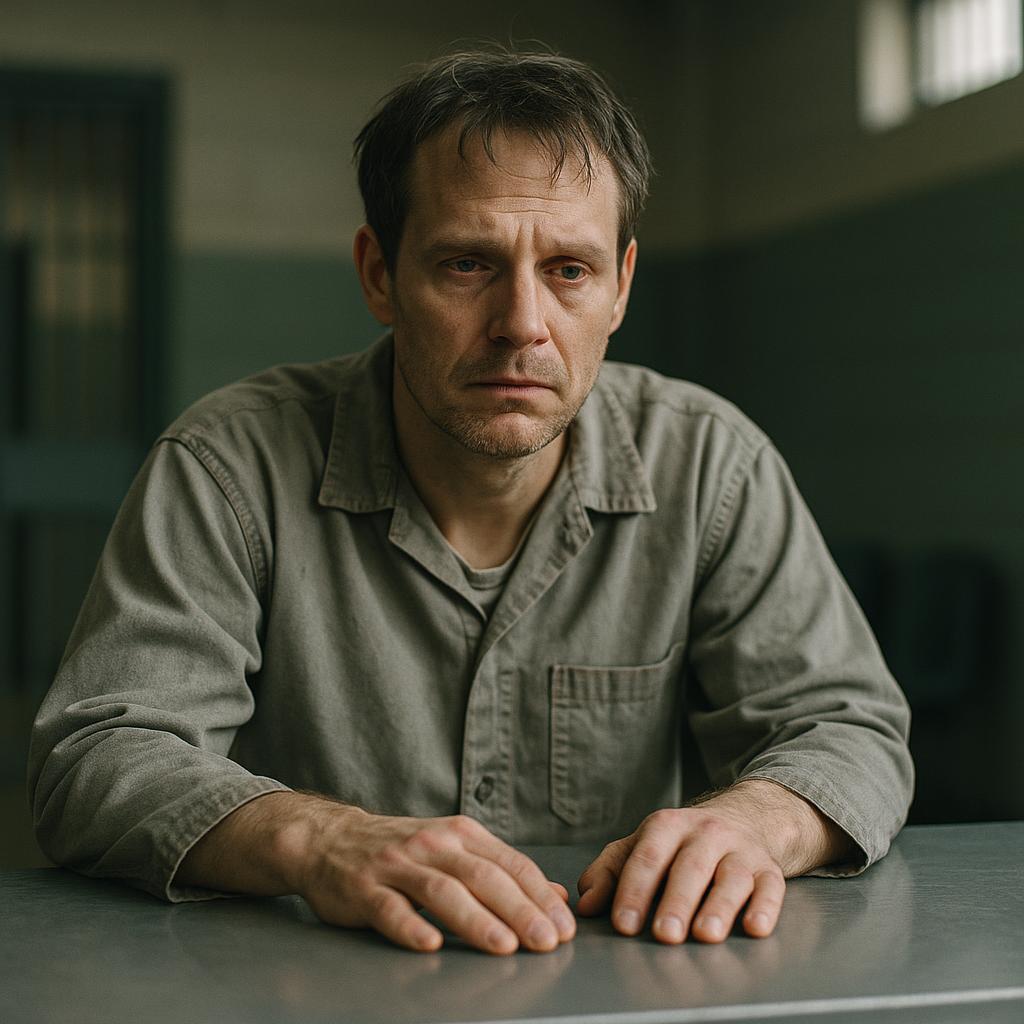
When they brought David in, I barely recognized him. Gone was the confident, well-groomed son who'd sat in court calculating his defense. This man was thinner, grayer, with dark circles under his eyes and prison-issued clothing hanging loosely on his frame. 'Mom,' he said, his voice cracking slightly.
'Thank you for coming.' He launched into what sounded like a rehearsed speech about finding God, about redemption and forgiveness. I raised my hand to stop him mid-sentence. 'I didn't come for apologies, David,' I said, surprised by the steadiness in my voice.
'I came to understand why. Why your father? Why me? Was it always just about the money?' His eyes—Frank's eyes—met mine, and for a moment, I saw something I hadn't seen in court: vulnerability. What he said next would shake the foundation of everything I thought I knew about our family.
The Confession
David's hands trembled as he finally dropped the act. 'It started with small bets,' he confessed, his prison uniform hanging loose on his frame. 'Then bigger ones to cover the losses.' He described spiraling debts, loan sharks with threats, and the desperate calculation that led him to see Frank's life insurance as his escape route.
'Dad was so careful with money,' he said, a bitter edge creeping into his voice. 'All those years of pinching pennies, investing wisely—I saw it as hoarding what should have been mine.' When he described how he'd researched the perfect poison, I felt physically ill. The clinical way he spoke about dosages and timing revealed a stranger wearing my son's face.
'And me?' I asked, my voice barely above a whisper. 'Was I just another obstacle?' David looked at me then, really looked at me, perhaps for the first time in decades. 'I loved the idea of you—the parents who would give me everything. I just never learned to love the real people you were.' The raw honesty of it struck me like a physical blow.
As I gathered my purse to leave, he asked if I'd come back. I paused at the door, the weight of fifty years of motherhood on my shoulders. 'No,' I said simply. Walking out of that prison, I felt something unexpected—not closure exactly, but the first fragile threads of freedom.
What I couldn't have known then was that David's confession was incomplete, and the final piece of this tragic puzzle was waiting in a safe deposit box Frank had left for me to find.
New Beginnings
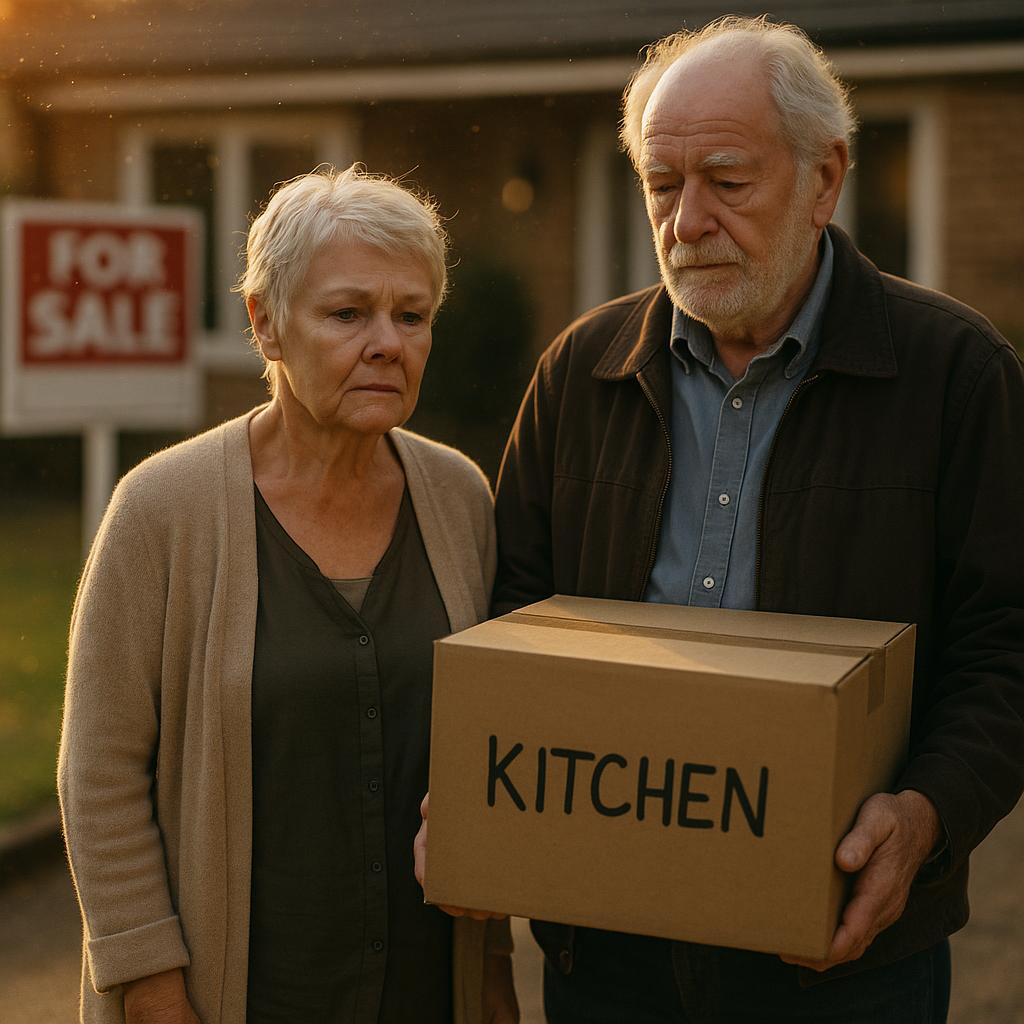
The FOR SALE sign went up on a Tuesday, exactly one year after Frank's funeral. I stood in our driveway watching the realtor hammer it into the lawn, feeling a strange mix of grief and relief wash over me. Every corner of this house held fifty years of memories—Frank teaching David to ride a bike in the backyard, holiday dinners around our oak table, quiet evenings reading side by side.
But now those happy memories were tainted by betrayal, and the walls seemed to whisper with recordings I couldn't unhear. "You're doing the right thing, Margaret," George said, appearing beside me with another box labeled 'KITCHEN.' He'd been my rock through this nightmare, showing up every weekend to help sort through decades of accumulated life. I found a charming little cottage just three streets over from Eleanor, my friend from the Widows Beyond Betrayal support group.
It had a small garden perfect for the herbs Frank always wanted me to grow and enough distance from the old neighborhood to avoid the pitying glances that followed me at the grocery store. As we loaded the last of Frank's carefully wrapped fishing gear into George's truck, I ran my hand along our bedroom doorframe where we'd marked David's height every birthday until college. Some things I couldn't bring myself to pack—the family albums stayed behind, along with David's trophies and the dining set he'd always expected to inherit.
The weight lifted from my shoulders with each empty room, as if I were finally setting down a burden I'd carried too long. What I didn't realize then was that leaving this house behind was just the beginning of my liberation—and that the small blue envelope I'd discover tucked inside Frank's old tackle box would change everything I thought I knew about our marriage.
Frank's Birthday
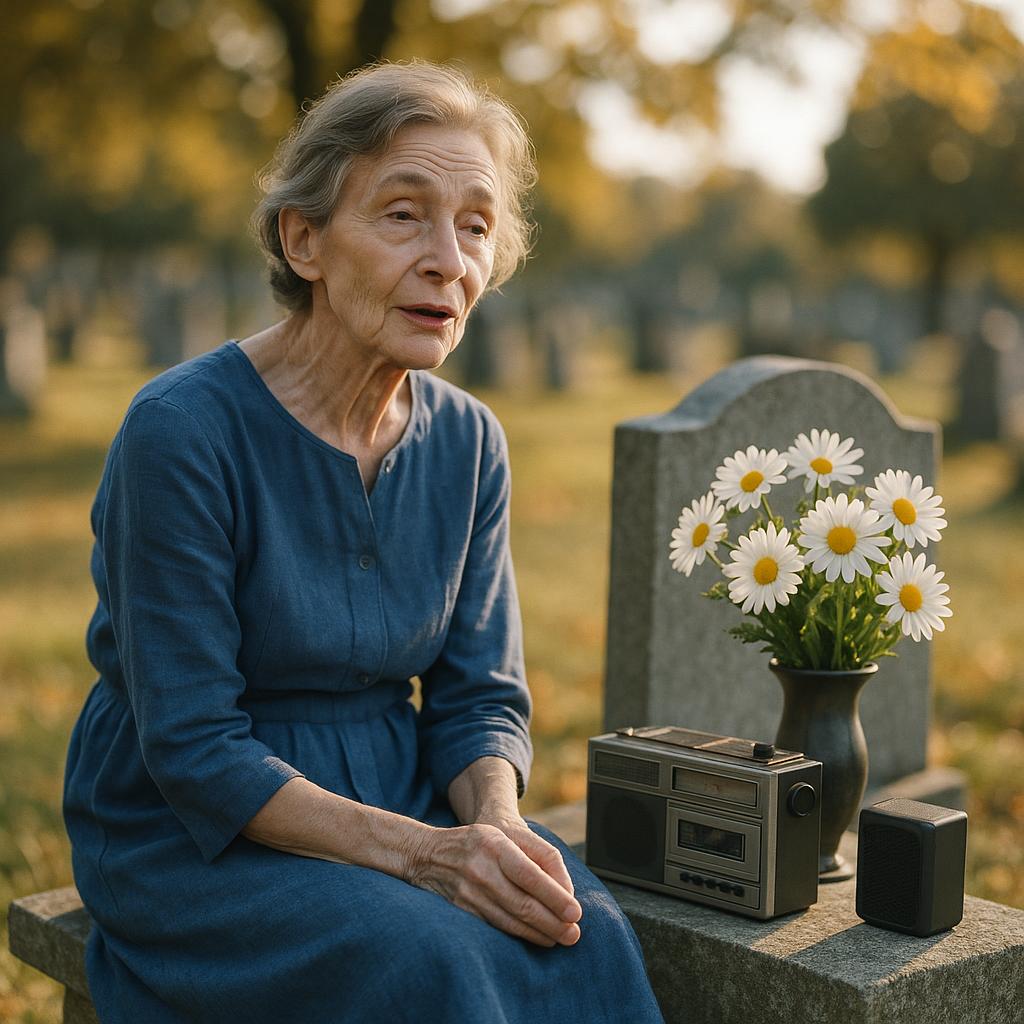
Today would have been Frank's 76th birthday. I woke up early, put on my good blue dress—the one he always said made my eyes sparkle—and drove to the cemetery with a bouquet of daisies and his old tape recorder tucked in my purse. The morning air was crisp, just the way Frank liked it for his fishing trips.
I settled myself on the small bench beside his headstone, arranging the flowers in the built-in vase. "Well, Frank," I said, my voice stronger than I expected, "I've moved into that little cottage we always admired on Maple Street." I told him about my herb garden, about Eleanor from my support group becoming my closest friend, about George still bringing coffee every Tuesday morning. I played Frank's favorite Miles Davis record on the portable player I'd brought, imagining his foot tapping along as it always did.
When the last notes faded, I pulled out the tape recorder—the same model he'd used to save my life. "I'm recording this for you," I said, pressing the red button. "I want you to know I heard you. Loud and clear." My voice broke a little as I thanked him for his final act of love, for seeing what I couldn't, for choosing truth over comfort.
"You gave me a second chance at life, Frank," I whispered into the recorder. "And I promise not to waste it." As I walked back to my car, I felt lighter somehow, as if Frank's spirit had lifted some invisible weight from my shoulders. What I didn't realize then was that someone had been watching me from behind the oak tree—someone who would soon upend everything I thought I knew about moving on.
The Inheritance
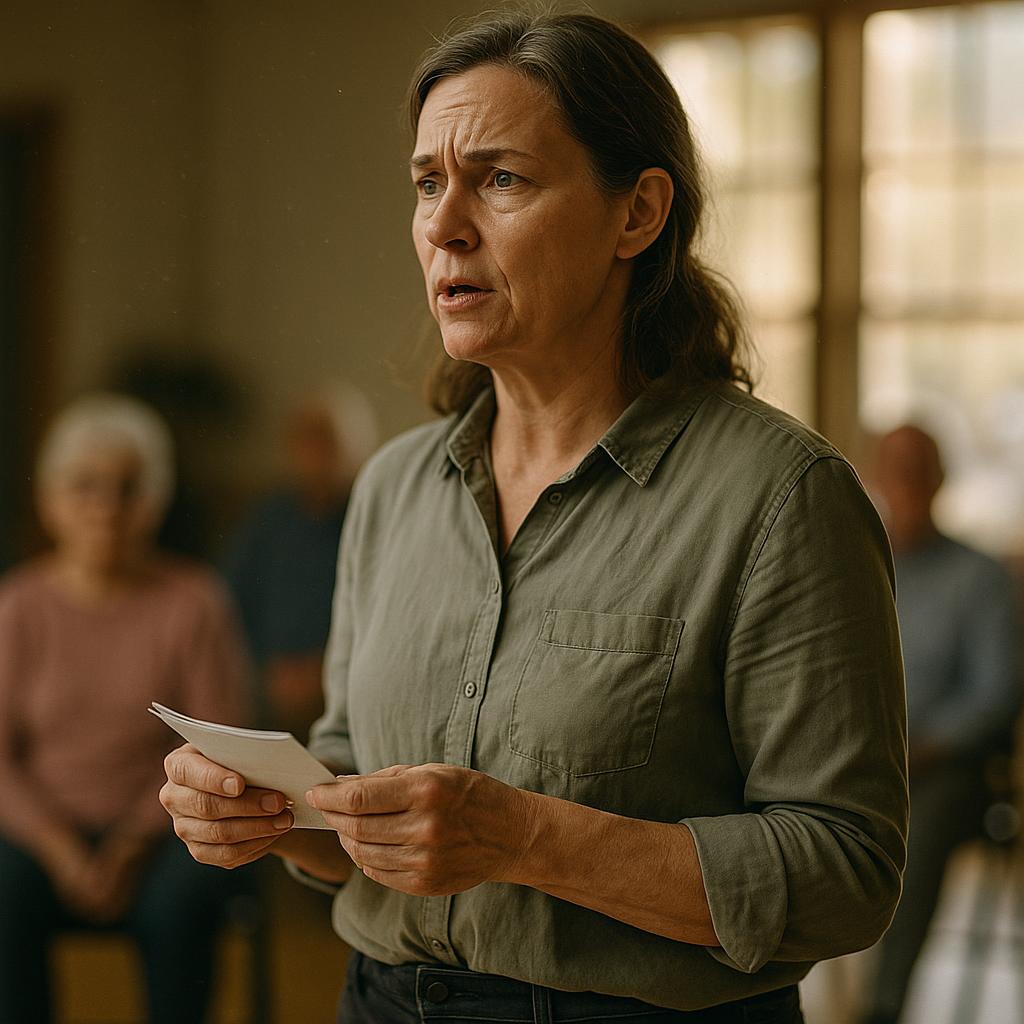
Eighteen months after Frank's death, I found myself standing in front of a room full of seniors at the community center, my hands trembling slightly as I clutched my notecards. "Financial exploitation by family members is the silent epidemic no one wants to talk about," I began, my voice steadier than I expected. The volunteer coordinator had warned me that sharing my story might be triggering, but what she didn't understand was that each telling made me stronger.
I carefully edited out the most painful details about David, focusing instead on Frank's foresight—how his hidden recorders had saved my life. "Your greatest inheritance isn't your savings account or your china cabinet," I told a tearful woman whose son had emptied her bank account. "It's the truth that keeps you breathing another day." After sessions, people often approached me privately, whispering their suspicions about children or grandchildren.
I'd gently guide them toward resources I wished I'd had. George teases that I've become a "senior fraud detective," but I see it differently. In my support group for widows betrayed by family, I'm known as the one who always says, "Frank gave me two gifts: the truth, and a second chance to use it." What began as my personal tragedy has transformed into something larger—a mission to protect others.
Sometimes I wonder if Frank somehow knew that in saving my life, he was giving me a new purpose. What I never expected, though, was the phone call I received last Tuesday from a detective who said they'd found something in David's prison cell that changed everything about our family's story.