On an average day, more than 100,000 flights criss-cross the globe, ferrying business leaders, vacationing families, and vital supplies to every conceivable destination. Now, in light of the COVID-19 pandemic, that number has dwindled by more than half. So the question has to be asked: will airlines survive this crisis?
The scale of the crisis
In some cases, the picture is even more dire. LAX, one of America’s busiest airports, recently reported that its traffic is down by 85% compared to last year.
The TSA numbers are bleaker still. They calculate only 8% as many people are passing through their checkpoints as in 2019.
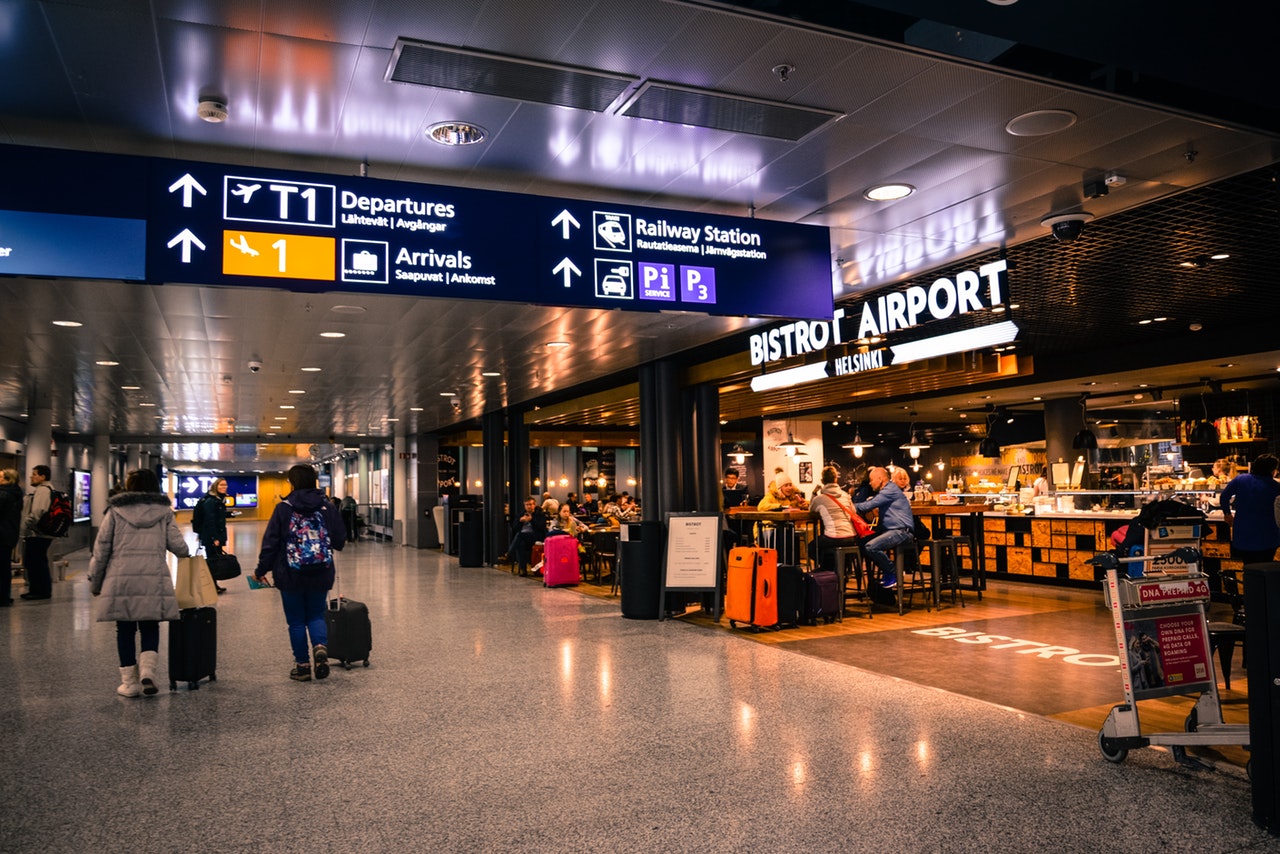
Those few planes that are still flying their routes are mostly empty. Airlines are encouraging social distancing, even at 30,000 feet. To that end, the few passengers who come aboard are spread out as much as possible. However, the effectiveness of this practice is doubtful when people are in such close quarters for hours at a time.
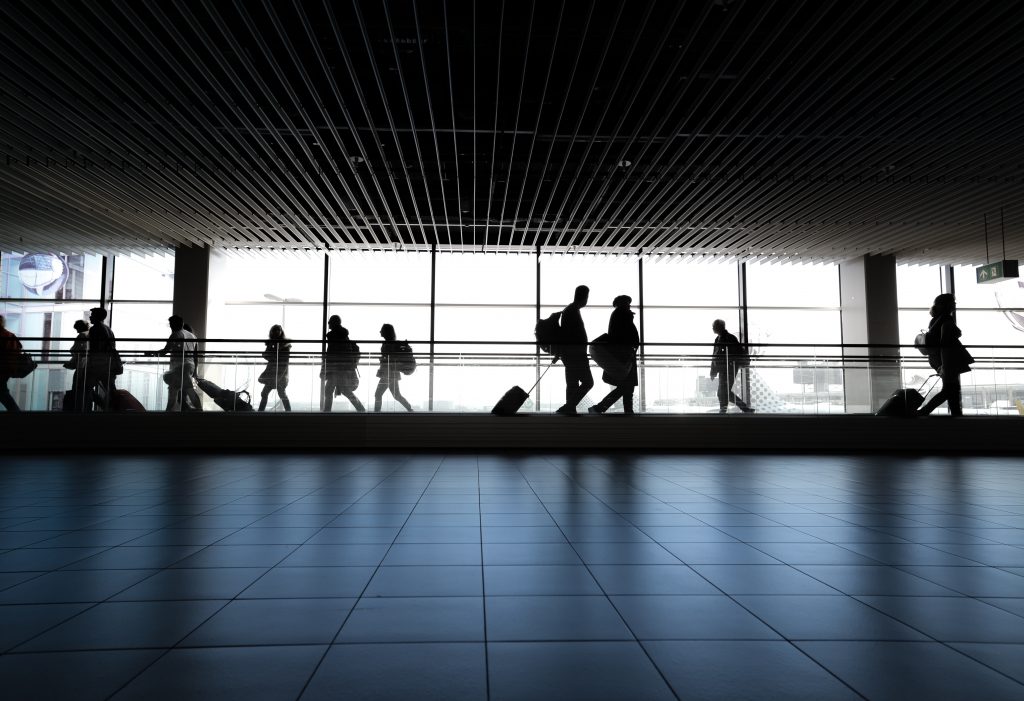 Image by Rudy and Peter Skitterians from Pixabay
Some countries are moving to temporarily ban tourism altogether. Canada and the United States, for instance, are working to close their borders to all nonessential travel. Other nations are instituting similar restrictions in an attempt to slow the spread of the virus.
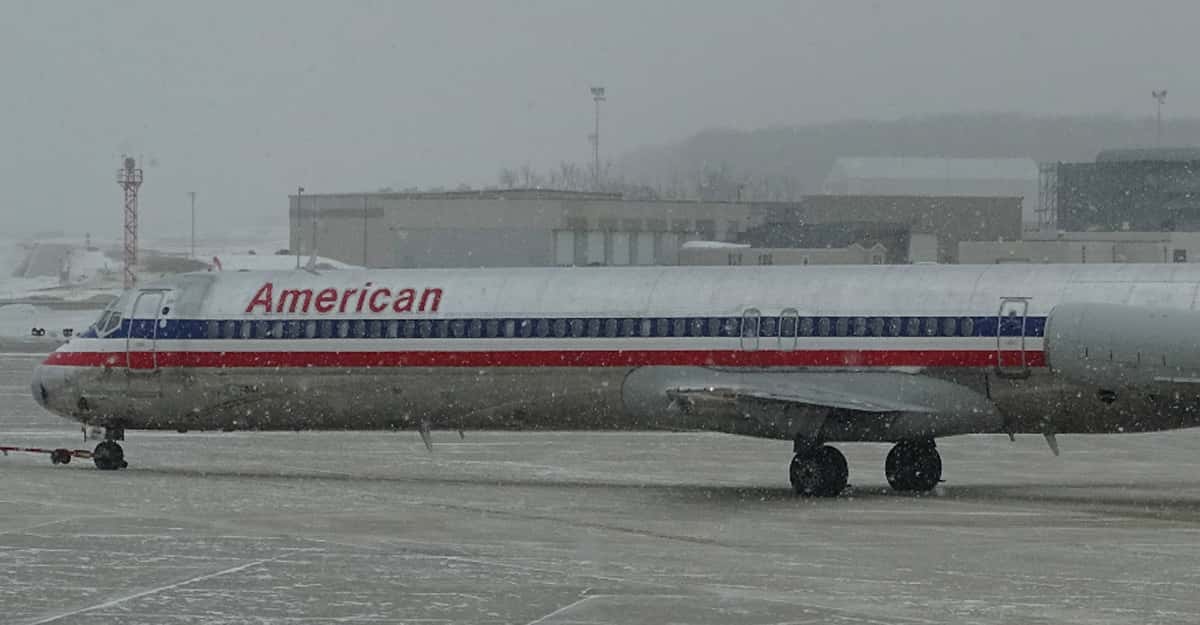
In the United States, major carriers have virtually shut down overnight. Dozens upon dozens of American Airlines planes sit idle on the tarmac in Tulsa; Southwest has parked 50 of its planes on a runway in Victorville, California.
An estimated 8,500 planes are languishing in ad hoc storage as the crisis deepens. Airports all over the world have become graveyards for grounded flights, eerie, empty, and deathly silent. It’s unprecedented, and there’s no end in sight.
Some airlines have already collapsed
A few airlines that were on the brink have already collapsed under the pressure of the COVID-19 economy. In the UK, the regional carrier Flybe effectively declared bankruptcy on March 5. Stateside, two more woebegone regional airlines have also folded -- Trans States and Compass.
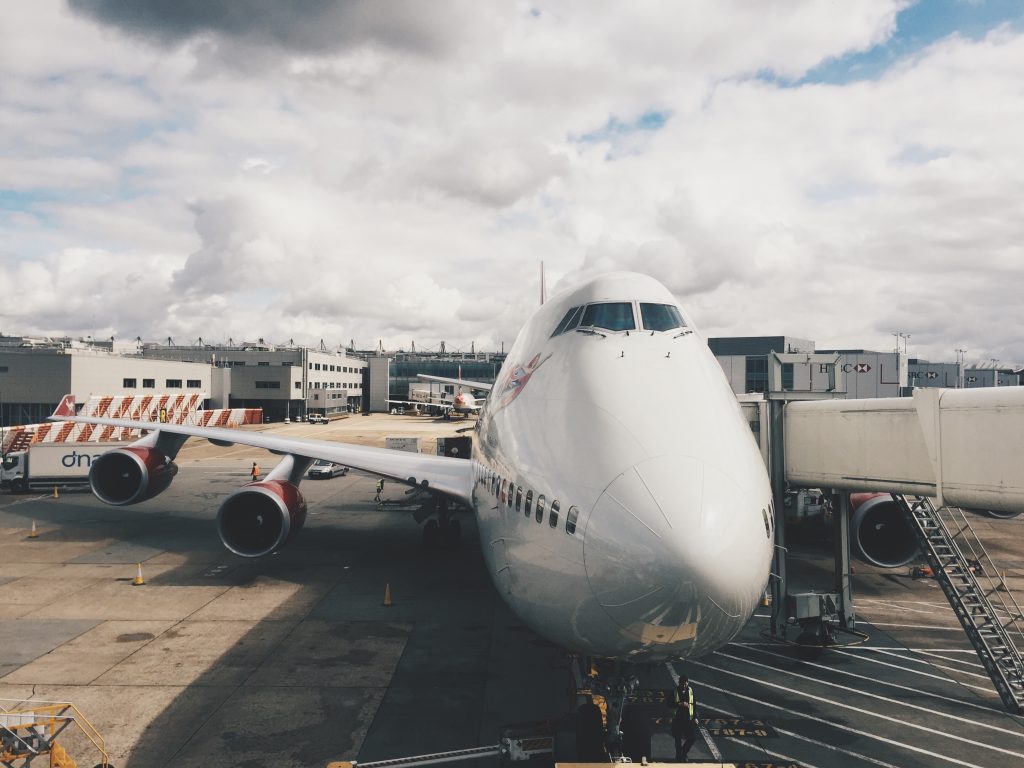 Image by StockSnap from Pixabay
It’s true that these airlines are relatively small fish. It’s also true that all three were in trouble before the decimating effects of the pandemic set in. But they may only be the tip of the iceberg.
The aviation consultant group CAPA bluntly warned that if governments fail to act, “most airlines in the world will be bankrupt” by the end of May should the crisis continue that long. And it’s almost guaranteed to last longer.
Even the big fish are at risk
There are a number of problems facing even the largest airlines.
Firstly, cancellations. Obviously, no one is eager to travel at the moment. Only the most reckless and the most desperate travelers are taking to the skies. The mountain of cancellations is costing airlines a fortune.
Secondly, no one is booking flights in advance. With all this uncertainty, who’s planning their next family vacation? Who wants to gamble it will be safe to fly in a month, or two months, or even six? Consumers are sitting on their wallets, and rightly so.
Thirdly, many airlines are already over-leveraged, so borrowing is a dubious proposition. For many of these companies, turning a profit is tricky even at the best of times.
The International Air Transport Association predicts the airline industry will lose $250 billion in revenue when all is said and done. And that projection may be rosy; it assumes the crisis will be over in three months.
It's not all bad
All that being said, there is some good news.
With so many planes grounded, expenditures are way down. Salaries and fuel are the two biggest expenses for airlines, respectively; fueling costs, at least, have clearly been pared to the bone. Maintenance expenses are also about as low as they could possibly be. It’s an ominous sign in the short-term, but a small silver lining for those with a view to long-term survival.
The United States government has also stepped up with a bailout package for the airlines. Congress has offered $50 billion in support thus far -- $25 billion in direct aid, and $25 billion more in loan guarantees.
But that money comes with strings attached. Some of the conditions are perfectly reasonable -- like demanding companies guarantee jobs through September and insisting they demonstrate they have no other means of accessing the cash they need.
However, airlines applying for relief will also be required to “identify the financial instruments [they] propose to issue to the Treasury Department.” In other words, the government could be acquiring a stake in the airlines.
For all that, public bailout money is -- to use a distressingly apt metaphor -- little more than a ventilator: it can keep you alive, but you’re really only buying time.
If the downturn continues for more than six months, the recently approved bailout money won’t be enough to keep the airlines afloat. What then? Another bailout? More strings?
What happens if the pandemic peters out, life goes back to normal... and then the virus reemerges and we find ourselves back to square one? That’s entirely possible.
Where we go from here
It’s hard to see an easy path back to normalcy for the air travel industry. Even if the crisis ends tomorrow, it will likely take a long time for demand to normalize.
A good precedent is the aftermath of 9/11, which crippled the travel industry for years. Before that fateful day, there were nine major airlines in the United States. Today, there are four: American Airlines, Delta, United, and Southwest. The other five were swept away or consolidated.
That may be what the future holds in the wake of the COVID slump. The larger airlines will swallow up the smaller ones, and consumers will be left with fewer choices and higher prices. Contraction and consolidation -- a trend that may benefit a very few at the top of the “winning” airlines, but almost no one else.
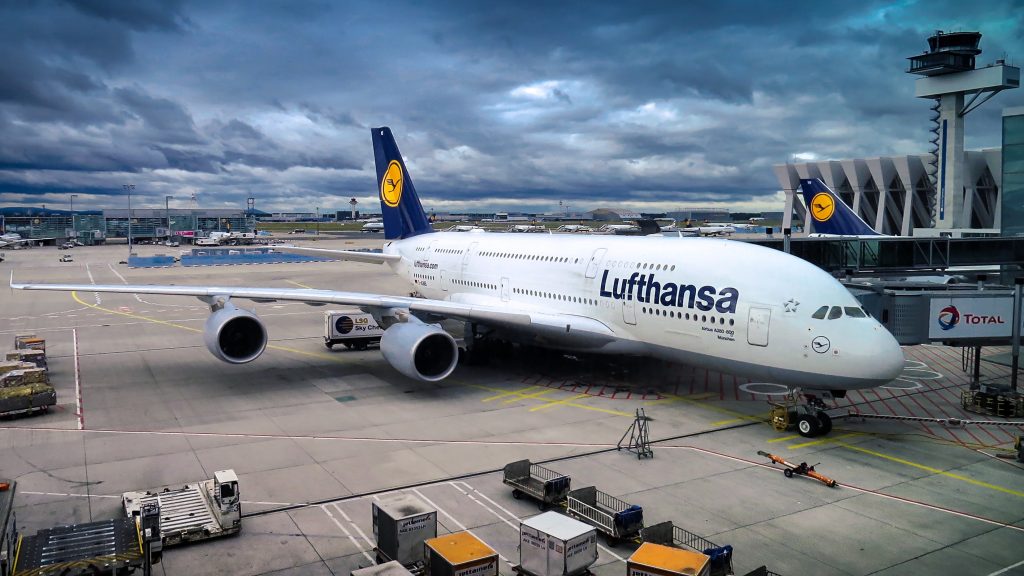 Image by Pit Karges from Pixabay
It’s especially bad news for rank-and-file airline employees. As the leadership of United recently told their workers: "If the recovery is as slow as we fear, it means our airline and our workforce will have to be smaller than it is today."
So. How will airlines survive? Can they survive?
The simple answer is: they must, in some form or another. As much as we all complain about flying -- the exorbitant costs, the delays, the lost luggage -- air transport is an essential part of our infrastructure. Our economy is built on the premise that we can get both people and goods from point A to point B quickly and reliably. Without the airlines, we lack that capacity.
The brightest beacon of hope for the major carriers right now may be the fact that they’re simply too big to fail.