
8 Most Vulnerable Jobs During Recessions

8 Most Vulnerable Jobs During Recessions


February 22, 2023 | Eul Basa

8 Most Vulnerable Jobs During Recessions


With the world’s economy reeling from the effects of COVID-19, it’s natural to be a bit worried about your position. Will we still have jobs if this goes on for two, three, or four months? Who’s safe and who’s at risk if this spills over into a longer-lasting recession? What are the most vulnerable jobs?

With that in mind, let’s take a look at the 8 most vulnerable jobs during bad economic times. 

Of course, that doesn’t mean everyone who does these jobs is going to be given their walking papers. But it’s generally true that some folks are more susceptible than others to the vicissitudes of the marketplace. 

Hopefully, things will turn around soon and we won’t have to find out whether or not we were right!

1. Construction

scott-blake-x-ghf9LjrVg-unsplash-1536x1024.jpgPhoto by Scott Blake on Unsplash

Advertisement

When businesses feel the pinch and investors get spooked, construction projects are often the first thing to get put on the back burner. It takes a lot of leverage and a lot of capital to build anything substantial. So when times are uncertain, people often decide it’s easier not to build anything at all.

Of course, construction doesn’t happen in a vacuum. It takes not just labor, but materials and equipment as well. All these supporting industries become vulnerable as well.

2. Home Renovation

milivoj-kuhar-Te48TPzdcU8-unsplash-1536x1022.jpgwww.unsplash.com

Advertisement

It’s not just major construction projects that get delayed during times of recession. Retail consumers also close their wallets. Suddenly that new gazebo doesn’t seem like such a priority. 

Similarly, less ambitious home renos may be delayed as well -- everything from wallpapering to flooring to chandeliers to appliances. If people don’t need it, most won’t be willing to shell out for it until some confidence returns to the marketplace. 

3. Car Sales

auto-1291491-1536x1152.jpgImage by Ich bin dann mal raus hier. from Pixabay

Advertisement

The same goes for cars. And not just cars -- boats, ATVs, motorcycles. In a healthy economy, people with disposable income are always on the lookout for an upgrade. Not so during a recession. It’s tough to convince someone who’s worried about their future to shell out for a new Lexus when their old Toyota is still getting the job done. And, of course, all those other non-essential toys become a lot less attractive as well.

4. Landlords
old-door-2834224-1536x864.jpgImage by Rick Roberson from Pixabay

Advertisement

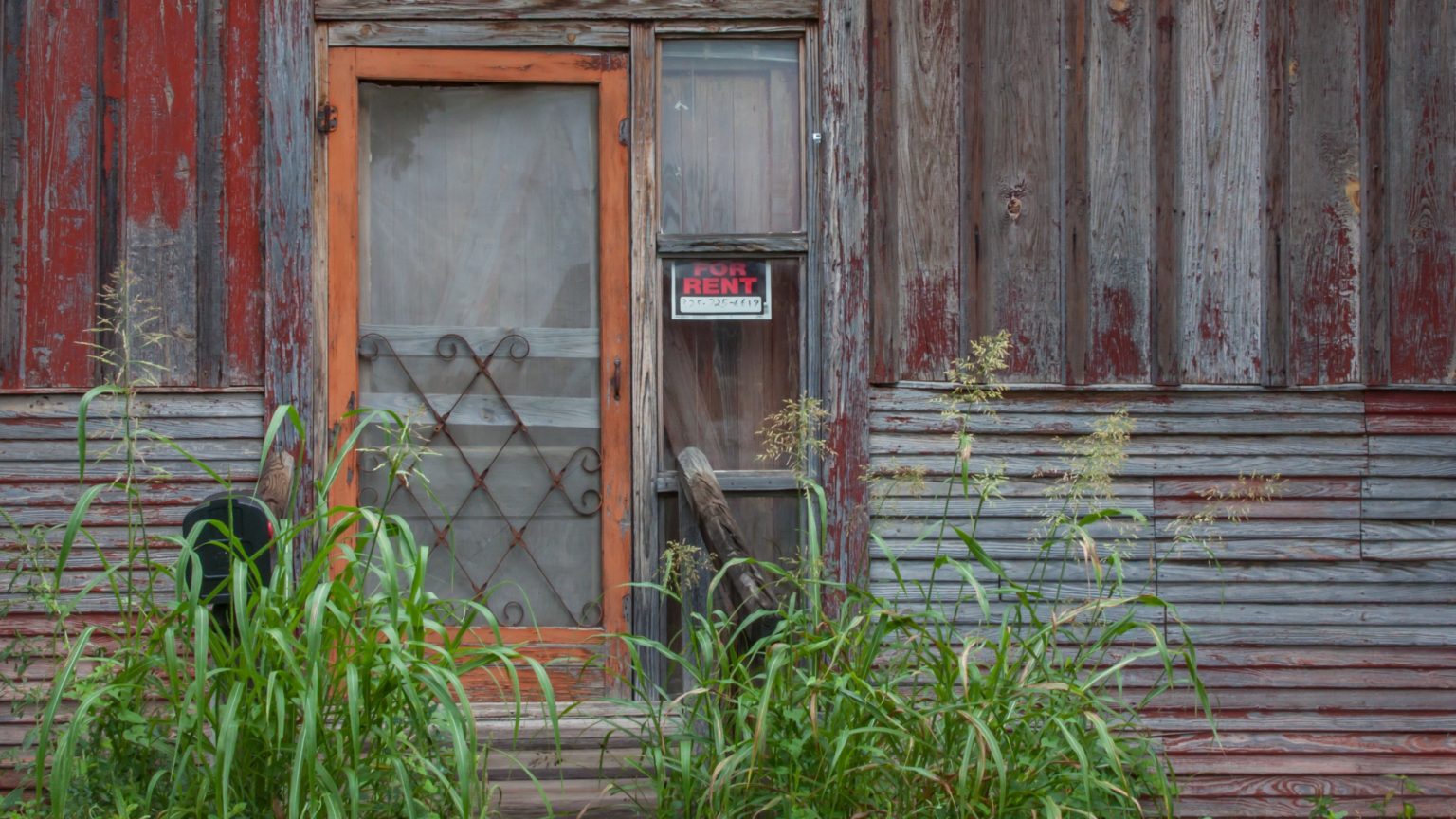
We’re seeing this one right now with COVID-19. Cities and states are banning evictions, effectively bailing out renters. But landlords are left in the lurch. They still have to make mortgage payments on their rental properties, despite the fact they may not be able to collect rents from their out-of-work tenants. 

5. Travel Industry

flight-attendant-featured.jpgPixabay

Advertisement

Here’s another one we’re seeing before our very eyes. Experts estimate the airlines alone may lose $250 billion in revenue before this crisis is over. 

And that’s just the airlines. You also have to consider travel agents, hoteliers, buses, trains, taxis, museums, theme parks, restaurants… The list is endless. In our mobile world, travel has become normal and expected, and a major component of the world economy.

But in any financial pinch, the family trip to Disney World is the first thing that gets cut from the budget.

6. Clerks and Administrators

audit-4171740-1536x1024.jpgImage by Enhialus from Pixabay

Advertisement

Or really anyone working for a company who doesn’t directly contribute to revenues. When income is down, companies have to look for ways to cut expenditures. Clerical and administrative staff are important and valued in good times. But if someone has to be thrown out of the boat… they’re often the first to go overboard.

7. Manufacturing

christopher-burns-Wiu3w-99tNg-unsplash-1536x1024.jpgPhoto by Christopher Burns on Unsplash

Advertisement

It’s not like manufacturing is booming, even in good times. But in bad times, it becomes even more tempting either to shut down production or to ship it overseas where people are willing to work for pennies on the dollar. And once those jobs go overseas… they don’t tend to come back.

8. Middle Management

austin-distel-wD1LRb9OeEo-unsplash-1536x1152.jpgPhoto by Austin Distel on Unsplash

Advertisement

It’s not a specific career or sector of the economy. But those in middling positions often find themselves out of work when the markets take a dip.

The reason is simple. Middle managers tend to have considerable tenure with the company. That, combined with their supervisory role, means they make a good deal more money than the rank-and-file. However, many are also in a position where their role could theoretically be eliminated or subsumed by someone else in order to cut costs. 

Streamlining and “right-sizing” suddenly become watchwords during times of recession. That makes middle management one of the most vulnerable jobs.




READ MORE

Annoyed man standing in front of a house with a woman

My sister moved back into my parents' home decades ago and never left. Now she claims she will get more from inheritance. Is this true?

Learn how wills, trusts, caregiving, property ownership, and state laws affects inheritance when you live with your aging parents.
July 8, 2026 Allison Robertson
Worried woman

I cashed out retirement savings to help my family, and now I’m worried I’ll never recover financially. How can I fix this?

Helping your family when they’re in trouble can feel like the only choice at the moment. Maybe someone had medical bills, lost a job, needed housing, or just had nowhere else to turn. But if the emergency makes you turn to your retirement savings, it’s completely normal to look at your retirement account and think, “What did I just do to my future?” once the crisis passes.
July 8, 2026 J. Clarke

I used AI to predict how long my retirement savings would last me. It was wrong. I'm going to run out of money. What can I do?

AI said your retirement savings would last, but now the numbers look scary. Learn practical steps to cut costs, increase income, review Social Security, avoid scams, and stretch your money.
July 8, 2026 Jack Hawkins
1970s Woman in Grocery Store

Grocery Store Items From The 1970s That No One Remembers—Seriously, Do You Remember Even 5 Of These?

The 70s gave us some genuinely iconic products—and some that make absolutely no sense looking back. Either way, millions of Americans bought them.
July 7, 2026 Jesse Singer
AI-generated image of a man and woman looking mildly frustrated

My parents own properties in multiple jurisdictions, and it has made settling the estate very complicated. How do we make it simpler?

Discover how to simplify estate planning when parents own property in multiple jurisdictions. Learn strategies to avoid probate delays, reduce legal costs, manage taxes, and streamline inheritance for heirs.
July 7, 2026 Alex Summers
My bank says I can't deposit large amounts of cash without answering personal questions.

My bank says I can't deposit large amounts of cash without answering personal questions. Why do they care where my money came from?

You walk into your bank with a large amount of cash, and suddenly the teller starts asking personal questions. It can feel intrusive, especially if the money is yours and you are simply trying to deposit it. But banks are not just being nosy. They are following federal anti money laundering rules that require them to understand certain cash transactions.
July 7, 2026 Carl Wyndham


Disclaimer

The information on MoneyMade.com is intended to support financial literacy and should not be considered tax or legal advice. It is not meant to serve as a forecast, research report, or investment recommendation, nor should it be taken as an offer or solicitation to buy or sell any securities or adopt any particular investment strategy. All financial, tax, and legal decisions should be made with the help of a qualified professional. We do not guarantee the accuracy, timeliness, or outcomes associated with the use of this content.


Dear reader,


It’s true what they say: money makes the world go round. In order to succeed in this life, you need to have a good grasp of key financial concepts. That’s where Moneymade comes in. Our mission is to provide you with the best financial advice and information to help you navigate this ever-changing world. Sometimes, generating wealth just requires common sense. Don’t max out your credit card if you can’t afford the interest payments. Don’t overspend on Christmas shopping. When ordering gifts on Amazon, make sure you factor in taxes and shipping costs. If you need a new car, consider a model that’s easy to repair instead of an expensive BMW or Mercedes. Sometimes you dream vacation to Hawaii or the Bahamas just isn’t in the budget, but there may be more affordable all-inclusive hotels if you know where to look.


Looking for a new home? Make sure you get a mortgage rate that works for you. That means understanding the difference between fixed and variable interest rates. Whether you’re looking to learn how to make money, save money, or invest your money, our well-researched and insightful content will set you on the path to financial success. Passionate about mortgage rates, real estate, investing, saving, or anything money-related? Looking to learn how to generate wealth? Improve your life today with Moneymade. If you have any feedback for the MoneyMade team, please reach out to [email protected]. Thanks for your help!


Warmest regards,

The Moneymade team