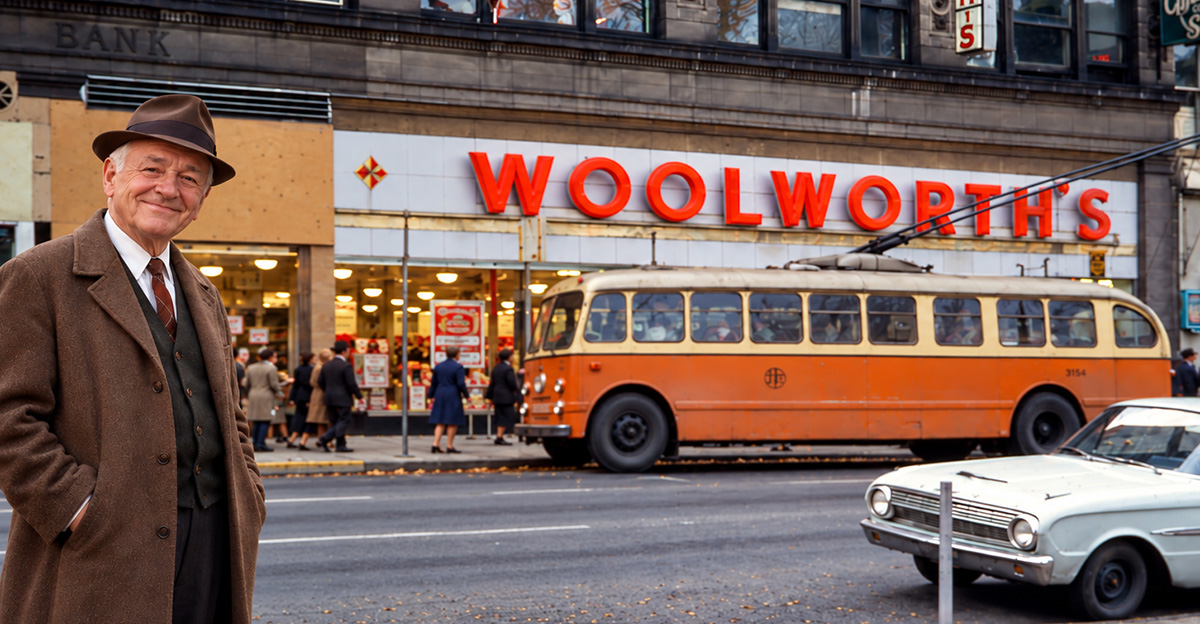
Remember these jobs from the 1960s? Discover the once-common careers that Baby Boomers knew well before computers, automation, and AI changed the workplace forever.
Your parents left their retirement savings to your sibling and nothing to you. Here's what inheritance laws say and when you can challenge their decision.
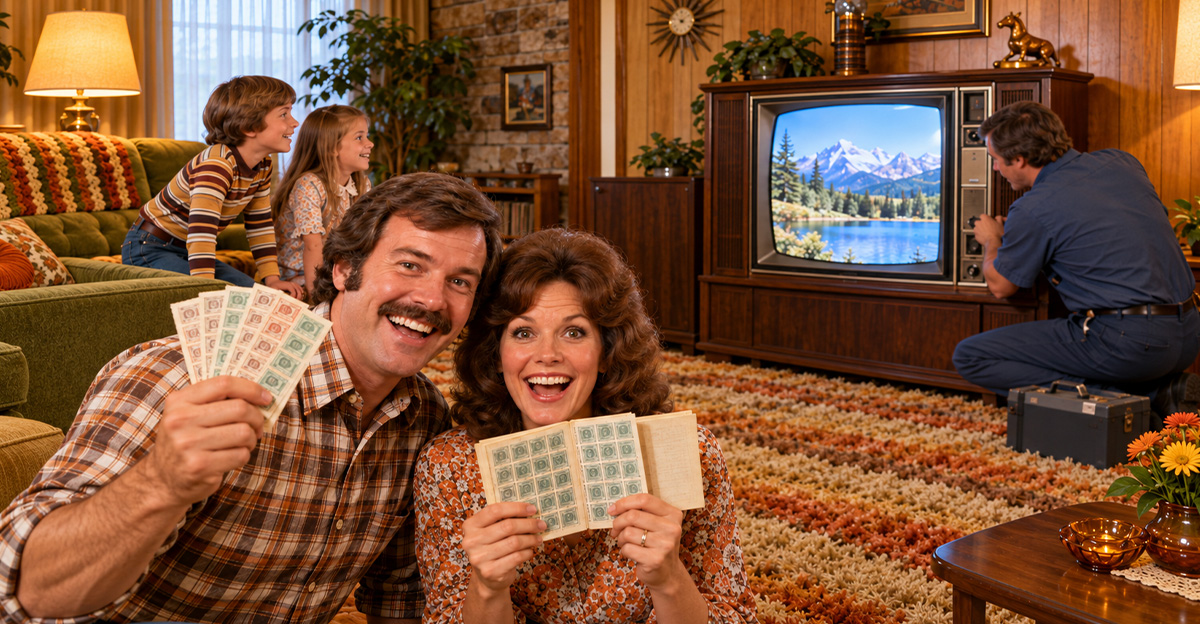
Remember S&H Green Stamps? Discover the surprising grocery store trading stamp rewards Baby Boomers collected in the 1970s, from toasters to televisions.
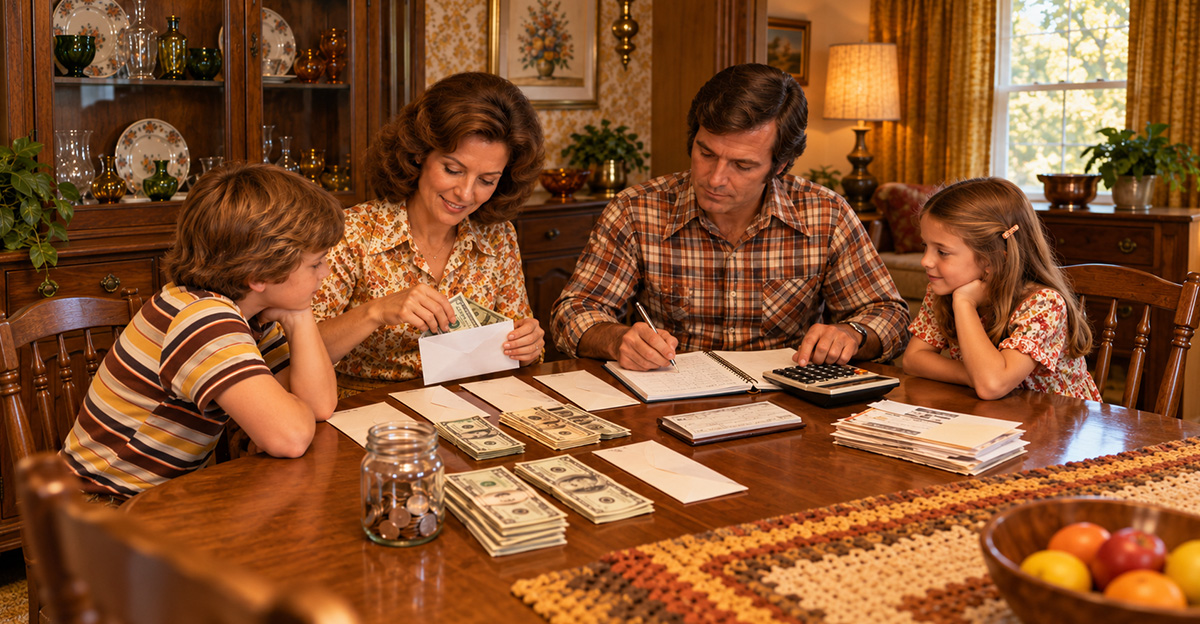
Discover 25 old-school budgeting methods from the 1970s that helped Baby Boomers save money, avoid debt, and stretch every paycheck. Which ones do you remember?
You have $2 million saved for retirement, but is buying a second home a smart move? Discover the hidden costs, risks, and ways to protect your nest egg.
Your boss demands you follow his TikTok or lose your job. Can he legally fire you for refusing? Here's what U.S. employment laws say about your rights.